

Selling a house directly for cash can be a practical alternative to listing with a real estate agent, but it is not automatically the best financial decision for every Austin homeowner.
If your property needs major repairs, has become expensive to maintain, or must be sold around an important life event, a direct sale may be worth considering.
The key is understanding what you would receive after costs, not simply comparing advertised selling speeds.
This guide explains how to evaluate a cash offer, compare selling alternatives, and decide whether a direct sale fits your circumstances.
Quick Answer: Should You Sell Your Austin House for Cash?
A cash sale may be worth considering if your property requires significant repairs, you want to avoid repeated showings, or you prefer negotiating directly with a buyer.
However, listing with an agent may produce a higher selling price, especially when the property is market-ready and you have time to attract competing buyers.
Before deciding, compare the written cash offer with a realistic estimate of your net proceeds from a traditional sale.
When Does Selling an Austin House for Cash Make Sense?
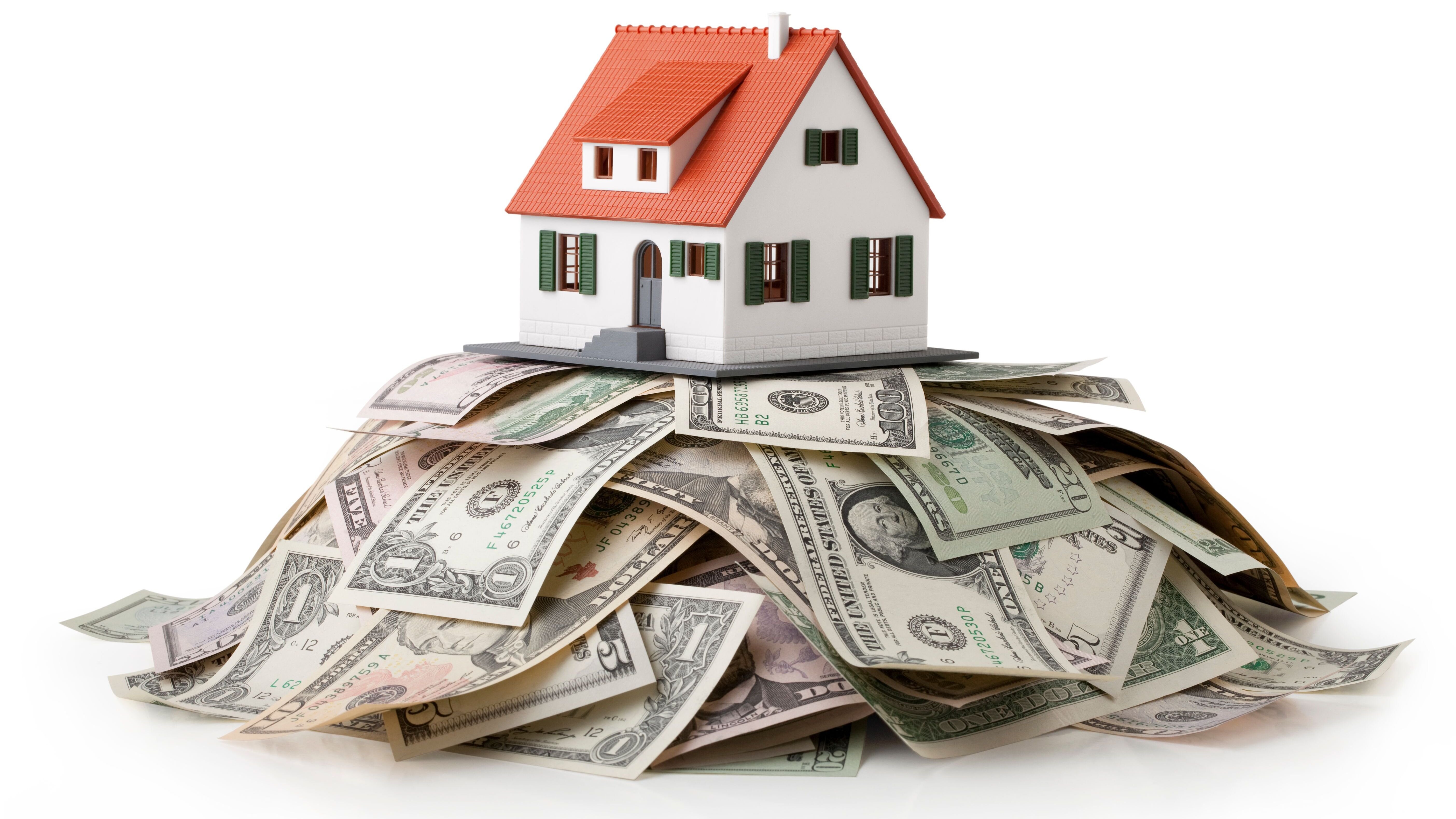
A direct sale may be particularly useful when selling through the traditional market would involve substantial preparation or continued ownership costs.
Your House Needs Expensive Repairs
Some Austin properties have aging roofs, foundation movement, plumbing problems, or deferred maintenance.
If repairs would require a major investment, compare their estimated cost and potential effect on the selling price.
A direct buyer may consider purchasing an eligible property in its existing condition, while a traditional buyer may negotiate repair credits or request improvements.
You’re Managing an Inherited or Vacant Property
An inherited house can bring property-tax obligations, insurance expenses, maintenance, and ownership questions.
If the house is vacant or located far from where you live, avoiding extensive preparations may be valuable.
However, legal ownership and title requirements must still be resolved before closing.
You’re Relocating or Managing Two Housing Payments
Moving for work, family, or another reason can make an extended selling process less convenient.
A direct purchase may reduce some marketing steps, but the closing date still depends on the agreement and title requirements.
You’re Selling an Unwanted Rental Property
Landlords may consider selling when vacancies, repairs, or management costs outweigh the property’s benefits.
If tenants occupy the property, the buyer must account for existing leases and applicable tenant rights.
A cash sale does not automatically terminate a valid tenancy.
When Might a Traditional Listing Be the Better Choice?
A direct sale is not the right solution for every homeowner.
Listing your house may be more attractive when:
- The property is in good condition and needs little preparation.
- You have time to market the house and evaluate multiple offers.
- Comparable sales support a higher potential selling price.
- The estimated price advantage outweighs listing and carrying costs.
- You want broader exposure to owner-occupants and other buyers.
You may also be able to list a house as-is with a real estate agent rather than renovating it first.
The most useful comparison is between realistic alternatives for your specific property.
Austin Example: Comparing Estimated Net Proceeds
Consider a hypothetical Austin homeowner evaluating two selling methods.
The house needs repairs, but the owner could either prepare it for a traditional listing or sell directly.
| Estimated expense | Traditional listing | Direct cash sale |
|---|---|---|
| Illustrative sale price | $340,000 | $300,000 |
| Repairs and preparation | $18,000 | $0 |
| Negotiated brokerage compensation | $12,000 | $0 |
| Other seller closing costs | $5,000 | $4,000 |
| Estimated holding expenses | $4,000 | $1,000 |
| Estimated proceeds before loan payoff and taxes | $301,000 | $295,000 |
In this example, the traditional listing produces approximately $6,000 more before mortgage payoff, taxes, and other property-specific obligations.
However, that difference would change if repairs cost more than expected, the listing attracted a different offer, or the cash buyer proposed different terms.
These figures are hypothetical illustrations, not Austin market averages or actual offers. Brokerage compensation and closing expenses are negotiable or transaction-dependent.
The important lesson is to compare net proceeds, risk, effort, and timing rather than price alone.
For a broader breakdown, review our Cash Buyer vs. Real Estate Agent comparison.
How to Evaluate a Cash Offer Before Accepting
A cash offer should be evaluated as a complete purchase agreement, not merely a quoted dollar amount.
1. Verify the Buyer
Research the business, check its public information, and confirm who will actually purchase the property.
A professional buyer should be able to explain the proposed process and answer questions about the agreement.
2. Review the Proposed Purchase Price
Compare the offer against the home’s present condition and relevant comparable property sales.
Remember that a direct buyer may factor future repairs, resale costs, and investment risk into the offer.
3. Confirm Who Pays the Costs
Ask for a written explanation of closing costs, title expenses, property-tax adjustments, and other applicable charges.
Do not assume that every cash buyer pays all expenses.
4. Understand the Contract Conditions
A cash buyer may not need mortgage financing, but other contractual conditions can still apply.
Review inspection rights, cancellation terms, earnest money, assignment provisions, and closing requirements.
5. Check the Closing Timeline
Ask whether the proposed closing date is realistic for your title status, mortgage payoff, ownership documentation, and other obligations.
Avoid relying on a verbal promise that the property will close within a fixed number of days.
Austin Property Issues That Can Affect Your Decision
Austin homes can have different requirements depending on their location, previous improvements, and ownership history.
Unpermitted Improvements
Previous additions or renovations may raise questions during a sale.
If you are uncertain about completed work, consult the City of Austin Development Services records and research resources.
These resources can help homeowners investigate available permit and property records.
Property Taxes and Liens
Outstanding property taxes or recorded liens can affect a transaction regardless of the selling method.
For properties in Travis County, the Travis County Tax Office property-tax account search allows owners to review account information and outstanding balances.
Ownership and Title Questions
Inherited ownership, divorce-related agreements, or unresolved title matters may require additional documents before closing.
A direct cash offer does not automatically resolve these issues.
What Are the Risks of Selling an Austin House for Cash?
A direct sale may reduce some complications, but homeowners should still consider potential risks.
A lower purchase price: The offer may be below what the property could achieve through a successful traditional listing.
Unclear contract conditions: Some agreements contain contingencies, assignment provisions, or other terms that need careful review.
Last-minute price changes: A buyer may seek a reduction after evaluating the property. Review the circumstances under which the offer can change.
Unexpected expenses: Taxes, liens, mortgage payoffs, and transaction costs may reduce the amount received at closing.
Misleading promises: Treat guaranteed closing dates or claims that a cash offer automatically prevents foreclosure with caution.
A title company and qualified real estate professional can help clarify transaction requirements. Seek legal advice when the contract or ownership situation is complicated.
A Practical Checklist Before Selling Your Austin House
Before accepting a cash offer or signing a listing agreement, ask yourself:
- Have I compared realistic selling prices for both options?
- Do I know what repairs or preparation may cost?
- Have I estimated my mortgage payoff and other obligations?
- Do I understand the purchase contract and cancellation terms?
- Have I reviewed potential closing costs?
- Is my preferred closing date realistic?
- Would broader market exposure be worth the additional effort?
- Am I comfortable with the likely net proceeds?
The answers can help you decide whether convenience, price, or another factor should guide your choice.
Frequently Asked Questions About Selling an Austin Home for Cash
1. Is selling a house for cash worth it in Austin, TX?
It depends. A cash sale may be worthwhile if repairs, holding expenses, or selling preparations are significant. Compare the offer with estimated net proceeds from a traditional listing.
2. Will a cash buyer offer less than my house is worth?
Possibly. Cash buyers may offer less than potential retail value to account for repairs and investment costs. Compare actual offers and estimated selling expenses before deciding.
3. Can I sell my Austin house as-is without making repairs?
Yes, potentially. Some cash buyers purchase eligible properties in their current condition. You can also list a house as-is through an agent. Disclosure and other legal obligations may still apply.
4. Do I have to pay closing costs when selling to a cash buyer?
It depends on the agreement. Some buyers cover certain closing expenses, while others do not. Review the purchase contract and estimated settlement statement for applicable costs.
5. How quickly can I close a cash sale in Austin?
A cash sale may avoid mortgage-financing delays, but closing depends on title clearance, ownership documents, and agreed terms. No specific closing timeline is guaranteed.
6. Is a cash offer guaranteed to close?
No. Even cash purchases can fall through because of contractual contingencies, title problems, or other issues. Verify the buyer’s financial capacity and review the agreement.
7. Should I compare multiple cash offers before selling?
Yes, when practical. Compare purchase prices, closing expenses, contingencies, and timelines. The highest offer may not provide the best overall terms or net proceeds.
8. Can I sell my Austin home for cash without a real estate agent?
Yes. You can sell directly to a cash buyer without hiring a listing agent. A title company and appropriate legal guidance can still help protect your interests.
Decide Whether a Direct Cash Sale Fits Your Austin Property
The right selling method depends on your property’s condition, expected net proceeds, financial obligations, and preferred timeline.
If you want to compare a direct purchase with your other options, Houston Area Home Cash Buyers considers eligible Austin-area houses for as-is cash purchases.
You can review our Austin cash home-buying page or learn how our buying process works.
Requesting an offer does not obligate you to accept it.
This article provides general educational information, not legal, tax, or financial advice. Any financial examples are illustrative only. Property values, selling costs, and closing requirements vary by transaction.