

If you discovered mold in your home, you’re probably wondering:
Can I still sell my house in Houston if it has mold?
The short answer is yes — you can legally sell a house with mold in Houston, TX. However, you must disclose known mold problems under Texas law. Whether you should fix the issue or sell the property as-is depends on your timeline, budget, and the severity of the damage.
In this guide, we’ll break down:
- Texas mold disclosure laws
- Whether you must remediate mold before selling
- How mold affects your home’s value
- Your selling options in Houston
- Timelines and costs
- Frequently asked questions
If you’re dealing with mold and considering selling, this article will help you understand exactly what to expect.
Why Mold Is So Common in Houston Homes
Houston’s climate creates ideal conditions for mold growth. High humidity, heavy rain, and frequent flooding make moisture problems extremely common.
Houston Climate and Mold Risk Factors
| Environmental Factor | Houston Conditions | Impact on Homes |
|---|---|---|
| Average Humidity | 70%–90% | Encourages mold growth |
| Annual Rainfall | ~49 inches | Water intrusion risk |
| Flood Zones | Large portions of city | Hidden moisture behind walls |
| Hurricane Exposure | High | Storm-related damage |
Mold typically grows in:
- Bathrooms
- Kitchens
- Attics
- Crawl spaces
- Behind drywall
- Around leaking windows
- After flood damage
Because Houston homes often experience storm and water damage, mold issues are not uncommon — and buyers in this market are generally aware of that.
Is It Legal to Sell a House with Mold in Texas?
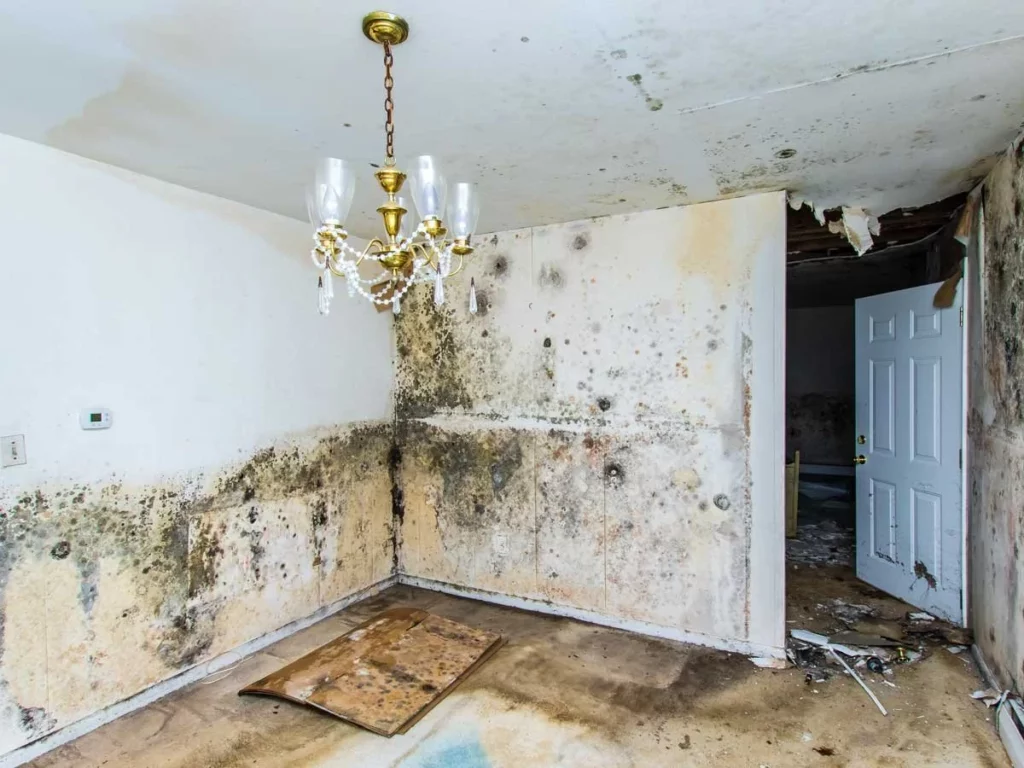
Yes, it is legal to sell a house with mold in Texas.
However, Texas law requires sellers to disclose known defects.
Texas Seller Disclosure Requirements
Under the Texas Property Code, sellers must complete a Seller’s Disclosure Notice. This form requires you to disclose:
- Previous flooding
- Water penetration
- Roof leaks
- Structural damage
- Known mold growth
- Past mold remediation
Important:
You are not legally required to fix mold before selling.
But you are legally required to disclose it if you know about it.
Failure to disclose known mold problems can result in:
- Buyer lawsuits
- Contract cancellation
- Financial damages
- Legal fees
Transparency protects you.
For more detailed information on Texas Seller’s Disclosure, visit Texas Real Estate Commission (TREC) Disclosure Forms.
What Types of Mold Are Found in Houston Homes?
Not all mold is toxic, but some types are more serious than others.
Common Types of Household Mold
| Type of Mold | Risk Level | Common Location |
|---|---|---|
| Cladosporium | Moderate | Carpets, fabrics |
| Aspergillus | Moderate | HVAC systems |
| Penicillium | Moderate | Water-damaged materials |
| Stachybotrys (Black Mold) | High | Severe water damage |
What About Black Mold?
Black mold (Stachybotrys chartarum) is often associated with:
- Long-term water damage
- Flooding
- Leaking pipes
While dangerous in large quantities, even homes with black mold can still be sold — especially to investors or as-is buyers.
Should You Fix Mold Before Selling?
This depends on your goals.
Let’s compare your options.
Option 1: Repair and Remediate Mold Before Listing
Professional mold remediation can improve buyer confidence and potentially increase your sale price.
Pros of Fixing Mold
- Higher listing price
- More buyer interest
- Easier financing approval
- Better inspection results
Cons of Fixing Mold
- High upfront cost
- Delays selling timeline
- Unexpected structural repairs
- Requires licensed contractors
Average Mold Remediation Costs in Houston
| Severity | Estimated Cost |
|---|---|
| Small isolated area | $500 – $2,000 |
| Attic remediation | $1,500 – $5,000 |
| Moderate home damage | $5,000 – $15,000 |
| Severe structural mold | $20,000 – $40,000+ |
If mold has affected framing, insulation, or HVAC systems, costs increase significantly. For more details on mold remediation costs, check out HomeAdvisor’s Mold Remediation Cost Guide.
Option 2: Sell the House As-Is with Mold
You can choose to sell the home in its current condition without making repairs.
This is common in Houston, especially after flood events.
Pros of Selling As-Is
- No repair expenses
- Faster closing
- No inspection contingencies (in some cases)
- Less stress
Cons of Selling As-Is
- Lower purchase offers
- Smaller buyer pool
- Mostly investor interest
Many sellers choose this route when:
- Repair costs exceed budget
- The home has extensive water damage
- They inherited a distressed property
- They need to relocate quickly
For a detailed guide on how to sell a house as-is, even when it needs repairs, check out Zillow’s guide on selling as-is.
How Mold Affects Your Home’s Value
Mold reduces property value — but by how much depends on severity.
Estimated Value Reduction
| Mold Condition | Typical Value Reduction |
|---|---|
| Minor surface mold | 5%–10% |
| Moderate remediation needed | 10%–20% |
| Severe structural mold | 20%–35% |
Example Scenario
If your Houston home is worth $300,000 in good condition:
- Minor mold could reduce value to $270,000
- Severe mold could reduce value to $210,000–$240,000
The key factor is whether damage is cosmetic or structural.
Can You Sell a House with Mold Through a Realtor?
Yes, but there are challenges.
Issues with Traditional MLS Sales
- Buyers often request inspections
- Lenders may deny financing
- Appraisers may flag the property
- Buyers may demand remediation credits
If mold is discovered during inspection, deals often fall apart.
This is why some sellers prefer alternative options.
Who Buys Houses with Mold in Houston?
Not all buyers avoid mold-damaged homes.
1. Real Estate Investors
Investors purchase below market value and handle repairs themselves.
They:
- Budget for remediation
- Buy distressed properties
- Often pay cash
2. Cash Buyers
Cash buyers typically:
- Close in 7–21 days
- Buy as-is
- Skip traditional lender requirements
3. House Flippers
Flippers look for properties with repair potential and factor mold remediation into renovation plans.
Step-by-Step Guide to Selling a House with Mold in Houston
Step 1: Identify the Source
Common causes:
- Roof leaks
- Plumbing leaks
- Flooding
- Poor ventilation
Fixing the source of moisture is critical.
Step 2: Assess Severity
Hire:
- Mold inspector
- General contractor
- Remediation specialist
Or sell without inspection if selling as-is.
Step 3: Decide Your Strategy
Ask yourself:
- Do I have time to repair?
- Can I afford remediation?
- Do I need to sell quickly?
Step 4: Disclose Properly
Complete the Texas Seller’s Disclosure Notice honestly.
Transparency protects you legally.
Step 5: Negotiate Realistically
Expect buyers to negotiate based on:
- Estimated repair costs
- Market conditions
- Inspection findings
Can You Sell a Flood-Damaged House with Mold?
Yes — especially in Houston where flooding is common.
Flood-related mold typically affects:
- Drywall
- Flooring
- Subflooring
- Insulation
- HVAC systems
Buyers will want to know:
- Was an insurance claim filed?
- Was remediation completed?
- Is there structural damage?
Flood history must also be disclosed.
Do You Need a Mold Inspection Before Selling?
Not required by law.
However, inspections help when:
- You want accurate pricing
- You plan to repair first
- You want negotiation leverage
Some sellers skip inspections when selling as-is to cash buyers.
How Long Does It Take to Sell a Mold-Damaged House?
| Selling Method | Average Timeline |
|---|---|
| Traditional MLS | 60–120 days |
| After Repairs | 30–90 days |
| As-Is Cash Sale | 7–21 days |
If time is critical, as-is sales are typically faster.
Health Concerns Buyers Worry About
Buyers often fear:
- Respiratory issues
- Allergic reactions
- Toxic exposure
- Hidden damage behind walls
Addressing these concerns upfront builds trust.
Can Mold Make Your House Unsellable?
No — but it can make it harder to sell.
There is always a buyer at the right price.
The key factors affecting sellability:
- Severity of mold
- Location in home
- Market conditions
- Pricing strategy
- Disclosure transparency
Frequently Asked Questions
Q. Can I sell my house with mold in Houston without fixing it?
Yes, you can sell a house with mold in Houston without making repairs. Texas law only requires that you disclose known mold issues, not that you fix them before selling. Many homeowners choose to sell as-is.
Q. Do I have to disclose mold when selling a house in Texas?
Yes. Texas sellers must disclose known mold, water damage, and related defects on the Seller’s Disclosure Notice. Failing to disclose can result in legal consequences after closing.
Q. Will mold fail a home inspection?
Mold does not automatically fail an inspection, but it often raises concerns. Buyers may request remediation, price reductions, or repairs before moving forward.
Q. How much does mold reduce home value in Houston?
Mold can reduce a home’s value by 5% to 35%, depending on severity and structural damage. Severe or flood-related mold typically has a greater impact on pricing.
Q. Can you get a mortgage on a house with mold in Texas?
Sometimes, but it depends on the extent of the damage. Many lenders require mold remediation before approving financing, especially if the issue affects habitability.
Q. Is it better to fix mold or sell as-is in Houston?
If remediation is minor and affordable, fixing it may increase your sale price. However, if damage is extensive or time-sensitive, selling as-is may be the simpler option.
When Selling As-Is Makes the Most Sense
Selling without repairs may be ideal if:
- The home has severe flood damage
- You’re facing foreclosure
- You inherited a distressed property
- You’re relocating quickly
- Repair costs exceed equity
For many Houston homeowners, avoiding large remediation expenses provides peace of mind.
Key Takeaways
- Yes, you can sell a house with mold in Houston, TX.
- Texas law requires disclosure of known mold issues.
- You do not have to repair mold before selling.
- Mold can reduce property value 5%–35%.
- Selling as-is is often faster but may reduce price.
- Investors and cash buyers commonly purchase mold-damaged homes.
Final Thoughts
Discovering mold in your home can feel overwhelming — but it does not mean your house is unsellable.
In Houston, moisture issues are common due to humidity, storms, and flooding. Many properties face similar challenges. The key is understanding your options and choosing the path that fits your timeline, budget, and stress level.
You can:
- Repair the mold and list traditionally
- Offer buyer credits
- Or sell your home as-is without making repairs
If remediation costs are high or you simply don’t want to deal with contractors, inspections, and delays, working with a local buyer who understands mold and water-damaged properties can make the process much easier.
At Houston Area Home Cash Buyers, homeowners can explore selling their house in its current condition — without cleaning, repairing, or worrying about mold remediation costs. There are no commissions, no hidden fees, and no lengthy listing process.
If you’re dealing with mold and wondering what your Houston property is worth in its current condition, exploring your options could give you clarity and peace of mind.
Selling a home with mold may feel stressful — but with the right approach, it can still be a smooth and straightforward process.