

Bankruptcy can be a heavy burden — financially, emotionally, and psychologically. For many homeowners in Plano, TX who have filed for bankruptcy, keeping a house can feel like an uphill battle. But what if there’s a way to turn this situation into an opportunity? Selling your home for cash after bankruptcy can offer a fresh financial start — fast, relatively hassle‑free, and with fewer strings attached.
In this article, we’ll walk you through everything you need to know: how bankruptcy affects homeownership, why a cash‑sale might make sense, what the process looks like, and what to watch out for. If you’re in Plano and considering this path, read on.
Understanding Bankruptcy and Its Impact on Homeownership
What Is Bankruptcy?
In the U.S., bankruptcy is a legal process designed to help individuals burdened by overwhelming debt. The two most common types for personal bankruptcy are:
- Chapter 7 Bankruptcy — also called “liquidation bankruptcy.” Under Chapter 7, unsecured debts (like credit cards, medical bills) are discharged, but non-exempt assets may be sold by a court-appointed trustee to pay creditors. Learn more about Chapter 7 Bankruptcy Basics — check out the guide on the United States Courts website.
- Chapter 13 Bankruptcy — a reorganization plan in which debtors repay some or all debts over 3–5 years, often allowing them to keep property as long as payment plans are maintained.
How Bankruptcy Affects Homeownership
When you file for bankruptcy, all your property — including your home — becomes part of what’s called the “bankruptcy estate.”
Whether you can keep the house depends largely on two factors:
- Home equity: What your home is worth minus what you owe on mortgages/ liens. If the equity is low (or negative), the home is more likely to be protected.
- Mortgage status: If you’re behind on payments, even after bankruptcy you risk foreclosure, because bankruptcy doesn’t automatically wipe out the mortgage lien.
In states like Texas (which includes Plano), there is an advantage: the state offers a generous “homestead exemption” that often protects homeowners’ primary residences from being liquidated — as long as certain conditions are met.
That said — bankruptcy doesn’t guarantee you’ll keep the home. If you have significant equity, or if you can’t stay current on the mortgage, the risk of losing the home increases.
Why Sell Your House for Cash After a Bankruptcy?
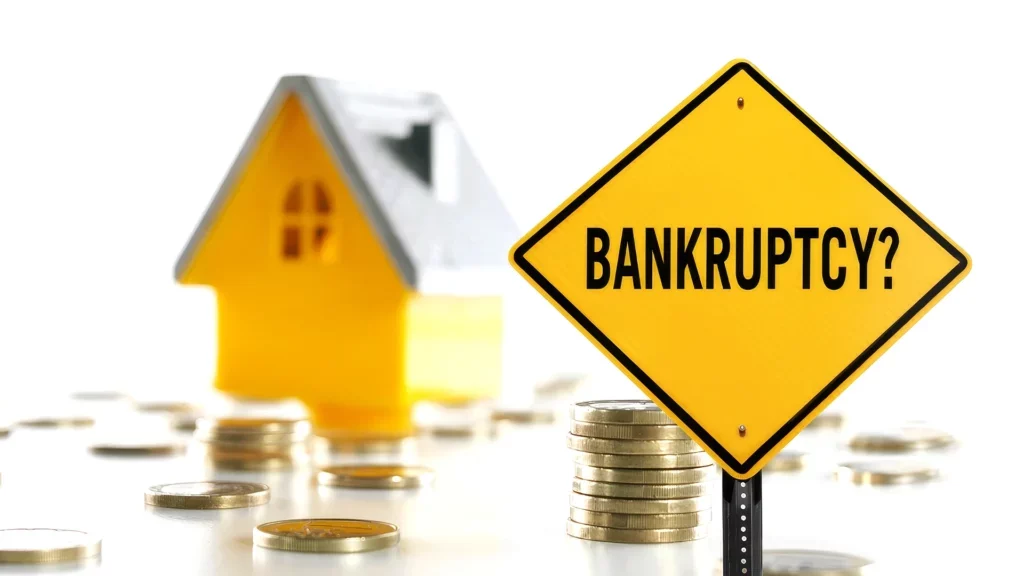
Selling a house for cash after bankruptcy can be an attractive option for many homeowners, especially in a city like Plano, TX. Here are some of the main reasons why this route makes sense.
- Immediate financial relief — A cash sale can provide fast liquidity. This can be crucial after bankruptcy when you might need funds to stabilize finances, pay immediate expenses, or even start fresh elsewhere.
- Avoiding foreclosure risk — If mortgage payments are a concern, or if you worry about falling behind again, selling the house quickly can eliminate that burden and avoid possible foreclosure proceedings.
- Simplicity and speed — Cash buyers often purchase “as‑is,” which means no need to invest time or money on repairs, renovations, or staging. Closing timelines tend to be much shorter compared to traditional sales.
- High certainty — With a cash buyer, there’s less risk of financing falling through (a common issue in traditional sales). This certainty can be reassuring after the instability of bankruptcy.
When & How: The Process of Selling a House for Cash in Plano, TX After Bankruptcy
Below is a step‑by‑step guide on how you might navigate a cash sale post‑bankruptcy in Plano.
Step 1: Confirm Bankruptcy Status & Timing
- If you filed under Chapter 7: ensure the bankruptcy case is fully closed, and you’ve had discharge or confirmation that the home is clear of any trustee claims. Many experts advise waiting until after the case closes before attempting to sell.
- If you filed under Chapter 13 and are still in a repayment plan: selling may still be possible, but you’ll need to understand implications with the repayment plan, liens, and mortgage status.
Step 2: Assess Your Property Value & Equity
- Determine the fair market value of your home (get a professional appraisal or comparative market analysis).
- Calculate equity: subtract any mortgage balances, liens, or other debts secured by the house from market value.
- Understand exemptions (in Texas, homestead exemption applies) — if equity is minimal or covered by the exemption, it improves your chances of a smooth sale.
Step 3: Prepare the House for Sale (If Needed)
Since many cash buyers purchase “as‑is,” you may not need major repairs — but ensuring basic cleanliness, clear title, and functioning systems (plumbing, electrical, safety) can help.
If there are outstanding liens or mortgage balances, gather all necessary paperwork (mortgage payoff info, bankruptcy discharge papers, lien release documents) to ensure a clean sale.
Step 4: Get Multiple Cash Offers & Compare
Contact several reputable cash home‑buying companies or investors operating in Plano. Get written offers with clear terms (offer amount, contingencies, closing timeline, who pays closing costs, etc.).
Compare offers carefully — not just price, but also reliability, transparency, and how quickly they can close.
Step 5: Review Offer Terms & Title / Lien Status
Before committing:
- Confirm the buyer will handle title transfer properly.
- Ensure any existing liens or mortgages will be paid off with sale proceeds (or negotiated).
- Double‑check that the sale won’t violate any bankruptcy-related restrictions or outstanding obligations.
Step 6: Close the Sale & Handle Proceeds
Once everything is in order — offer accepted, title clear, lien payoff ready — proceed to closing. You may receive cash (or cashier’s check / wire) soon after closing (often within days).
Use proceeds wisely: pay off remaining debts, stabilize finances, consider future living arrangements (renting, purchasing a new place), and rebuild credit.
What to Consider: Legal, Financial, and Practical Factors
Selling a house for cash after bankruptcy is often beneficial — but there are important factors and potential pitfalls.
Homestead Exemption & State Laws (Texas)
- Texas has a generous homestead exemption that typically protects a homeowner’s primary residence from being liquidated in bankruptcy.
- But protections depend on how much equity you have, how much is owed, and whether any liens or junior mortgages exist. For a detailed overview of how this exemption works in bankruptcy, check out this resource on the Texas Homestead Exemption for Bankruptcy.
Mortgage Liens & Title Issues
Bankruptcy discharge wipes out personal liability for mortgage debt, but it does not remove the lender’s lien on the property.
That means even if you file bankruptcy, the mortgage lien stays until paid — so when selling, the sale must satisfy the mortgage (and any liens) first. You may choose to surrender the house in Chapter 7 bankruptcy or keep it if you’re up-to-date on payments. For more details on how this works, check out Nolo’s guide on surrendering your house in Chapter 7 bankruptcy.
Timing: When Is It Safe to Sell?
- For Chapter 7: many experts recommend waiting until the bankruptcy case is closed (not just discharged) before selling, to avoid complications with the bankruptcy trustee.
- For Chapter 13: selling is possible — but depends on your repayment plan, liens, and court approval.
Rushing a sale (during active bankruptcy) can result in legal complications, potential loss of exemption protection, or challenges in title transfer.
Impact on Future Credit & Finances
- A sale after bankruptcy can free you from mortgage obligations, but your bankruptcy record remains (affects credit for years).
- If you plan to buy a new home later — this may influence how soon you can get financing, interest rates, etc.
Transparency & Buyer Reliability
Because you are in a sensitive financial situation — make sure to deal only with reputable, experienced cash buyers who understand post‑bankruptcy sales, clear titles, and rapid closings. Avoid “too good to be true” offers or cash buyers who won’t explain lien/tax/closing costs clearly.
Cash Sale vs. Traditional Sale: Pros & Cons
Here’s a quick comparison between doing a cash sale after bankruptcy vs going the traditional route (listing with a realtor, waiting for a financed buyer, etc.).
| Feature | Cash Sale (Post‑Bankruptcy) | Traditional Sale |
|---|---|---|
| Speed / Closing Time | Fast — often 1 to 4 weeks (depending on buyer) | Slower — often 30 to 60+ days |
| Repairs / Renovations Needed | Usually none (as‑is sale) | Often required — to attract buyers or meet financing requirements |
| Uncertainty Risk | Low — buyer already funded (cash) | Higher — financing may fall through, buyer may back out |
| Costs / Fees (commissions, closing costs, repairs) | Lower — no realtor commission, minimal repairs | Higher — realtor fees, possibly repair or staging costs, financing contingencies |
| Lender / Mortgage Risk | Sale proceeds can pay off mortgage & liens immediately | Buyer financing may delay closing / complicate payoff |
| Finality / Certainty | High — once closed, done | Medium — subject to contingencies and buyer lender approval |
Bottom line: For owners post-bankruptcy — especially those looking for speed, certainty, and simplicity — a cash sale often makes more sense than trying the traditional route.
Common Pitfalls & Mistakes to Avoid
Even though a cash sale can be advantageous, there are common mistakes that people make — especially after bankruptcy — that can cost them time, money, or even the home.
- Selling too early (before bankruptcy case is closed) — If you attempt to sell while bankruptcy is still active, the trustee may have a claim on the home or the proceeds. It’s usually safer to wait until everything is legally closed.
- Not accounting for liens or junior mortgages — Failing to identify all claims on the property can complicate title transfer or reduce your net proceeds unexpectedly.
- Choosing the first cash buyer without comparison — Not all cash buyers are equal. Some offer lowball prices, some have hidden fees, some may delay closing. Always get multiple offers and review details.
- Overestimating home value or potential proceeds — Just because you own a home doesn’t mean you’ll get top dollar — especially for as‑is sales. Have a professional valuation or comparative market analysis done.
- Ignoring future housing & financial plans — After sale and bankruptcy, budgeting, credit rebuilding, and living arrangements need careful planning.
How to Find a Reliable Cash Buyer in / Around Plano, TX
If you’re in Plano (or nearby), here are practical tips to find a trustworthy cash buyer for a post‑bankruptcy sale:
- Seek experienced buyers familiar with post‑bankruptcy cases — Choose buyers or companies who explicitly state they handle houses after bankruptcy, understand lien payoff, and can close fast.
- Ask the right questions:
- Will you buy as‑is, or do you expect repairs?
- Who handles closing costs, title, lien payoff?
- What is the expected closing timeline?
- Will you give me the net proceeds after paying off mortgage and liens?
- Request written offers and full disclosures: No vague “we’ll pay you cash” — ask for a breakdown of net proceeds, fees, costs, and closing date.
- Check review, reputation, licensing (if applicable): Look for previous deals, reviews from past sellers — especially those in similar circumstances (bankruptcy, as‑is sale).
- Consider consulting a local real estate attorney or title company: To ensure all paperwork, lien payoffs, and title transfer are handled correctly, especially post‑bankruptcy.
Frequently Asked Questions (FAQs)
Q. Can I sell my house during bankruptcy?
In most cases, it’s not recommended — especially under Chapter 7 — until the bankruptcy case is closed. Selling during an active case may lead to complications with the trustee’s rights.
Q. Will selling affect my bankruptcy discharge?
If the sale happens after discharge and case closure, it typically does not affect the discharge. However, if there is non‑exempt equity or liens/lender claims, those must be dealt with properly for the sale to go smoothly.
Q. Is selling for cash the best option for everyone post‑bankruptcy?
Not everyone — but for many, yes: especially those who want quick liquidity, want to avoid ongoing mortgage obligation or possible foreclosure, or don’t want to deal with repairs and long marketing periods.
Q. What happens to proceeds after the sale?
Proceeds first go to pay off any outstanding mortgage(s) and liens. If there is equity, after debts are cleared you receive the remainder. What you do with this money depends on your financial plan — many use it to stabilize finances, rent a home, or make a fresh start.
Q. How soon can I buy another home after bankruptcy?
That depends heavily on your credit rebuilding, debt profile, lender requirements, and how well you manage finances after the sale. Be prepared for some waiting time before qualifying for a mortgage again.
Is Selling for Cash After Bankruptcy the Right Choice for You? — Key Considerations
Deciding whether to sell your house for cash after bankruptcy is a personal and financial decision. Here are some guiding questions to help determine if it’s the right path:
- Do you need quick cash or financial relief now?
- Is your mortgage a burden (late payments, risk of foreclosure)?
- Do you prefer certainty & speed over potentially higher profits via a traditional sale?
- Are you comfortable selling “as‑is,” potentially at a lower price than a fully renovated market-ready home?
- Can you find a reputable cash buyer who will transparently handle liens, title, closing, and pay you net proceeds?
- Do you have plans for where you’ll live after the sale (renting, moving, etc.)?
If you answer “yes” to most of these — then a cash sale post‑bankruptcy could be a strong, practical option for you.
Conclusion & Next Steps
Bankruptcy doesn’t have to mark the end of your journey — with the right information and a solid plan, it can be a stepping stone toward a fresh start. If you’re in Plano, TX and considering selling your home after bankruptcy, a cash sale with Houston Area Home Cash Buyers offers speed, certainty, and relief from ongoing mortgage obligations.
Before you move forward: take the time to assess your mortgage status, property equity, liens, and timing. Get multiple offers, choose a reliable buyer like Houston Area Home Cash Buyers, and make sure all legal and title issues are properly addressed.
If everything aligns, you could turn a challenging situation into a clean slate — free from debt, free from mortgage burdens, and with cash in your hands to rebuild your financial future. Contact us today to explore your options and get a fair, fast cash offer for your home.