

Selling rental property in Pasadena, TX, can be a profitable venture, but it also comes with tax implications that can reduce the net proceeds from your sale. Understanding these taxes, such as capital gains and depreciation recapture, is crucial to minimizing your tax burden. Fortunately, there are legal strategies to avoid or reduce the taxes associated with selling your rental property. In this article, we’ll explore these strategies in detail, as well as provide helpful tips for effective tax planning when selling a rental property.
Understanding Taxes When Selling Rental Property
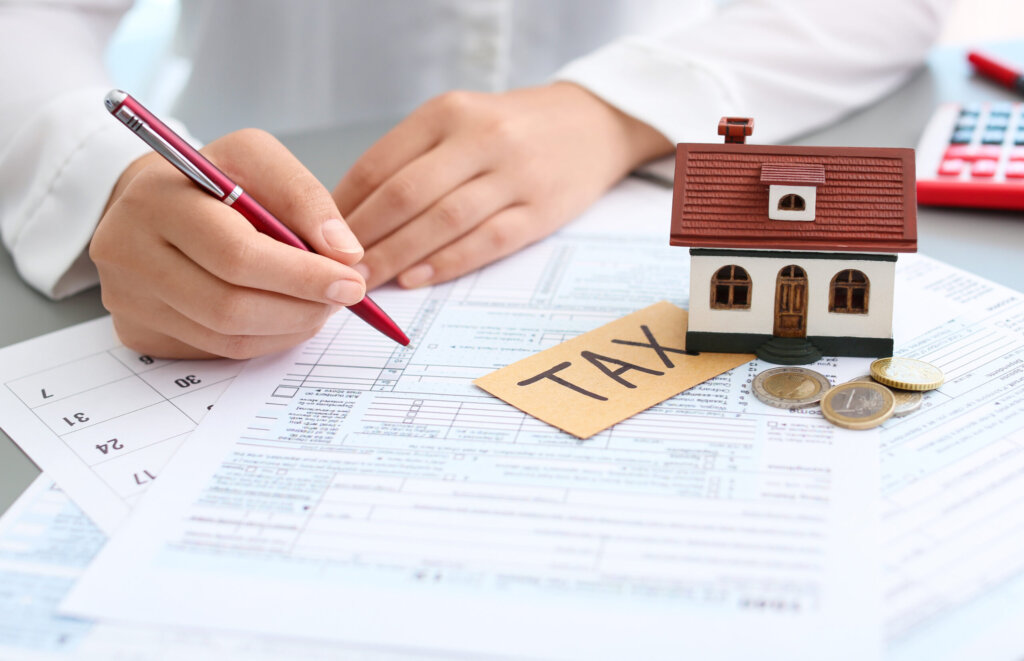
Selling rental property can seem like a straightforward process, but there are many hidden tax complexities that every seller should understand. While selling your rental property for cash might seem simple, the tax implications can be significant. In Pasadena, TX, the tax laws around rental property sales are largely shaped by federal guidelines, as Texas does not have a state income tax.
When selling a rental property, sellers often face capital gains tax on the profit they make from the sale. Additionally, the government may also impose depreciation recapture tax, which applies to the depreciation deductions taken during the ownership period. This article will guide you through these taxes and suggest legal ways to minimize or avoid them.
Common Taxes Associated with Selling Rental Property
Before diving into strategies for avoiding taxes, it’s essential to understand the types of taxes you may incur when selling rental property. Below are the main taxes that property owners should be aware of.
Capital Gains Tax
Capital gains tax is a tax imposed on the profit made from the sale of an asset, such as a rental property. The tax rate depends on how long you’ve held the property:
- Short-term capital gains: If you’ve owned the property for less than a year, the profit is considered short-term and is taxed as ordinary income, meaning you’ll pay the same tax rate as your regular income tax rate.
- Long-term capital gains: If you’ve owned the property for over a year, the profit is considered long-term, and the tax rate is typically lower (15% or 20% for most taxpayers). However, if you are in the 10% or 15% tax brackets, you may pay 0% on long-term capital gains.
To deeper understand the differences between long-term and short-term capital gains tax, check out Investopedia’s guide on comparing long-term vs. short-term capital gain tax rates.
Depreciation Recapture
When you own a rental property, you can deduct the depreciation of the property as an expense on your taxes. Depreciation is a non-cash deduction that reduces the taxable income from your property. However, when you sell the property, the IRS requires you to “recapture” the depreciation, meaning you must pay taxes on the amount of depreciation you claimed.
The depreciation recapture tax is typically taxed at a rate of 25%. This can significantly reduce your net profit from the sale, especially if you’ve claimed a substantial amount of depreciation over the years.
Net Investment Income Tax (NIIT)
If your income exceeds certain thresholds, you may be subject to the Net Investment Income Tax (NIIT). This is an additional 3.8% tax on net investment income, which includes profits from the sale of rental properties. The income thresholds for NIIT are:
- $200,000 for single filers
- $250,000 for married couples filing jointly
If your income exceeds these thresholds, the NIIT will apply to your net investment income, which can include the capital gains from selling your rental property.
To learn more about how the Net Investment Income Tax works and who it applies to, check out the IRS page on Net Investment Income Tax.
Strategies to Minimize or Avoid Taxes When Selling a Rental Property
Now that you have a basic understanding of the taxes associated with selling rental property, let’s explore some strategies that can help minimize or avoid these taxes.
1. Use the 1031 Exchange to Defer Taxes
One of the most effective ways to avoid taxes when selling rental property is to use a 1031 Exchange. This is a strategy that allows you to defer paying capital gains taxes and depreciation recapture taxes if you reinvest the proceeds from the sale into another like-kind property.
How a 1031 Exchange Works:
- You sell your rental property.
- Instead of keeping the proceeds from the sale, you use them to purchase another rental property.
- The IRS allows you to defer taxes on the capital gains and depreciation recapture as long as the sale proceeds are reinvested in a similar property (i.e., a rental property for another rental property).
Requirements for a 1031 Exchange:
- The property you sell and the property you buy must be of “like-kind” (i.e., real estate for real estate).
- You must identify the replacement property within 45 days of selling your property.
- You must close on the replacement property within 180 days of selling your original property.
Using a 1031 Exchange has the advantage of deferring taxes, meaning you won’t have to pay capital gains or depreciation recapture taxes immediately. Instead, you can defer them until you eventually sell the replacement property, which may allow you to continue growing your real estate portfolio without facing immediate tax consequences.
2. Offset Gains with Losses: Tax-Loss Harvesting
Another strategy to reduce your taxes when selling rental property is tax-loss harvesting. This strategy involves selling other investments that have lost value in order to offset the gains from the sale of your rental property.
How Tax-Loss Harvesting Works:
If you have other investments in stocks, bonds, or other properties that have decreased in value, you can sell those assets to realize a loss. These losses can be used to offset the gains you made from selling your rental property. The more losses you can offset, the lower your taxable income will be.
This strategy is particularly useful if you own multiple properties or investments, as it allows you to balance your gains and losses across your entire portfolio.
To deeper understand how tax‑loss harvesting works and how it can reduce your tax burden, check out Investopedia’s guide on tax‑loss harvesting.
3. Selling to a Cash Buyer
If you’re looking for a quick sale and want to avoid some of the complexities of a traditional property sale, selling to a cash buyer might be a good option. Cash buyers are typically investors who are willing to purchase properties without requiring financing. This means you can sell your property faster, and you may be able to structure the sale in a way that minimizes your tax liabilities.
While selling for cash doesn’t automatically reduce your taxes, the ability to sell quickly could give you the flexibility to reinvest the proceeds into other tax-deferred opportunities like a 1031 Exchange.
Tax Exemptions and Deductions for Property Sellers
In addition to the strategies mentioned above, there are various exemptions and deductions that can help reduce your taxable income and potentially lower your tax burden.
Primary Residence Exclusion
If your rental property has been your primary residence for at least two of the five years before the sale, you may qualify for the primary residence exclusion. This allows you to exclude up to $250,000 of capital gains ($500,000 for married couples filing jointly) from the sale of your property.
For example, if you’ve lived in the rental property for two years and then decide to sell it, you may not have to pay capital gains tax on the first $250,000 (or $500,000 if married). This can be a significant tax break if you’ve owned the property for a long period of time and have substantial gains.
Rental Property Expenses You Can Deduct
While you own the property, you may be able to deduct certain expenses that can help lower your taxable income. Some common rental property expenses that can be deducted include:
- Property management fees
- Repairs and maintenance costs
- Mortgage interest
- Property taxes
- Insurance premiums
When selling, be sure to review your expenses and deductions to ensure you’re maximizing the benefits available to you before the sale.
Considerations for Tax Planning When Selling Rental Property
Effective tax planning is key to minimizing your tax liabilities when selling rental property. Here are some tips to help you plan ahead and make the most of the tax strategies discussed.
Tax Planning Before the Sale
It’s always better to plan ahead when selling a rental property. Here are a few steps to consider:
- Consult with a tax professional: Before selling, work with a tax advisor who can help you determine the most tax-efficient way to proceed with your sale.
- Understand your current tax situation: Knowing your tax bracket and the amount of capital gains and depreciation you’ve accumulated will help you make better decisions about when to sell.
Timing the Sale
Timing your sale can also have a big impact on your taxes. For example, holding your property for over a year will help you qualify for long-term capital gains rates, which are lower than short-term rates. Additionally, consider selling during a year when your income is lower, as this can reduce the amount of taxes you’ll owe.
Example Scenarios of Tax Avoidance Strategies
Let’s look at some real-world examples to understand how these strategies work in practice.
Scenario 1: Using the 1031 Exchange
John has owned his rental property in Pasadena for 5 years and is looking to sell it for $500,000. His capital gains tax would be around $50,000, but instead, he decides to use a 1031 Exchange to purchase another rental property worth $600,000. By doing so, he defers the capital gains and depreciation recapture taxes.
Scenario 2: Selling to a Cash Buyer
Samantha owns a rental property that has appreciated in value. She decides to sell it for cash to an investor, which allows her to quickly reinvest the proceeds into a new property. By selling for cash, she is able to reduce the time it takes to sell, giving her more flexibility in managing her taxes.
Expert Tips on Navigating Taxes When Selling Rental Property
- Consult with professionals: Always work with a certified tax advisor and legal experts when selling a rental property. They can help you navigate the complex tax laws and ensure you’re making the best decision for your financial future.
- Keep detailed records: Maintain thorough records of all your expenses, depreciation claims, and property improvements. These records will be essential when calculating taxes upon sale.
- Consider local regulations: Although Texas doesn’t have a state income tax, be sure to review local property tax laws in Pasadena to understand any potential taxes you may face.
Frequently Asked Questions (FAQs)
Q. — How can I avoid capital gains tax when selling my rental property?
Answer: You can avoid capital gains tax by using a 1031 Exchange, where you reinvest the proceeds from the sale into another like-kind property. This allows you to defer paying taxes on the capital gains.
Q. — What is a 1031 Exchange and how does it work?
Answer: A 1031 Exchange allows you to defer taxes on the sale of a rental property by reinvesting the proceeds into another investment property. It must meet specific IRS requirements to qualify.
Q. — Can I sell my rental property without paying taxes in Texas?
Answer: While Texas has no state income tax, you will still be subject to federal taxes, including capital gains tax and depreciation recapture. Strategies like the 1031 Exchange can help reduce these taxes.
Q. — What are the tax implications of selling rental property in Pasadena, TX?
Answer: When selling rental property in Pasadena, you may face capital gains tax, depreciation recapture, and the Net Investment Income Tax, depending on your overall income and the length of ownership.
Q. — How do I qualify for the primary residence exclusion when selling a rental property?
Answer: If you’ve lived in the rental property for at least two of the last five years, you may qualify for the primary residence exclusion, allowing you to exclude up to $250,000 ($500,000 for married couples) of capital gains.
Q. — What expenses can I deduct when selling a rental property in Pasadena?
Answer: You can deduct expenses such as property management fees, repairs, mortgage interest, and property taxes, which can help reduce your taxable income before selling.
Conclusion: Final Thoughts on Selling Rental Property in Pasadena, TX
Selling rental property in Pasadena, TX, can be a lucrative endeavor, but it’s crucial to understand the tax implications and use strategies to minimize your tax liability. By utilizing strategies such as the 1031 Exchange, tax-loss harvesting, and consulting with professionals, you can reduce the taxes you owe and keep more of your profits. At Houston Area Home Cash Buyers, we understand the complexities of selling rental property and are here to help you navigate the process efficiently and effectively. Start planning ahead and stay informed about the tax laws, and you’ll be well-positioned for a successful sale with the expertise and support you need.