
Updated: August 14, 2026
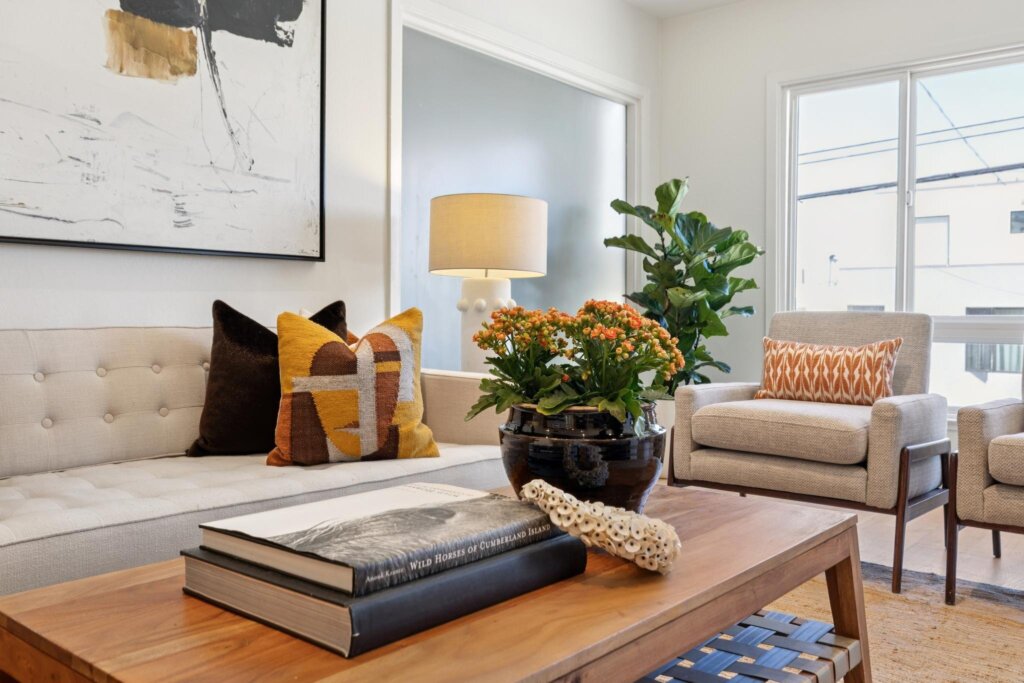
Selling a house in Houston often brings up an important question: How much work should you do before putting the property on the market?
For some homeowners, thoughtful staging can make rooms feel brighter, larger, and easier for buyers to imagine living in. For others—especially owners of houses that need major repairs, are vacant, inherited, flood-damaged, or simply need to be sold without a long preparation process—spending heavily on staging may not make financial sense.
The key is not to stage simply because everyone says you should. The better approach is to understand what staging can realistically accomplish, what it cannot fix, and whether the likely benefit justifies your time and money.
Quick Answer: Is Home Staging Worth It in Houston?
Home staging can be worthwhile when your Houston house is in reasonably good condition and you plan to market it to traditional retail buyers. Cleaning, decluttering, improving lighting, and arranging furniture can help buyers understand the space.
However, staging is not necessary for every sale. If the house needs substantial repairs or you would rather avoid preparing it for showings, you can also compare an as-is listing or direct cash-sale option.
According to the National Association of REALTORS® 2025 Profile of Home Staging, 83% of buyers’ agents said staging helped buyers visualize a property as their future home. NAR also reported that 49% of sellers’ agents observed staging reducing time on the market to some degree.
Those findings suggest staging can help—but they do not mean every seller needs professional staging or that staging guarantees a higher offer.
What Is Home Staging?
Home staging is the process of preparing a property so potential buyers can more easily understand its layout, features, and possible use.
It can range from something as simple as:
- Removing clutter
- Cleaning thoroughly
- Rearranging existing furniture
- Opening curtains and blinds
- Removing overly personal decorations
- Improving curb appeal
to more involved preparation such as:
- Repainting rooms
- Renting furniture
- Replacing light fixtures
- Professionally staging a vacant house
- Using professional photography
- Using virtual staging for online listings
The goal is not to hide problems. It is to present the house clearly and attractively.
That distinction matters.
If a Houston property has foundation movement, water damage, an aging roof, plumbing problems, or other material issues, attractive furniture and fresh paint do not make those problems disappear.
1. Start With the Selling Strategy Before You Start Staging
One of the most common seller mistakes is spending money on the house before deciding how they actually plan to sell it.
Your preparation strategy should depend on your likely buyer.
If you plan to list traditionally
Presentation can matter significantly because buyers may compare your home with renovated or move-in-ready properties.
Cleaning, decluttering, basic repairs, photography, landscaping, and selective staging may improve the property’s presentation.
If you plan to list the house as-is
You may still want to clean and declutter, but spending heavily on furniture rental, cosmetic upgrades, or decorating may offer a smaller return.
If you are considering a direct cash sale
Staging may be unnecessary.
Homeowners who do not want to spend time preparing a property can explore how to sell a Houston house as-is and compare that option with listing.
Best option if: Your property is already in good condition and your priority is maximizing retail-market presentation.
Important limitation: Staging costs money and time, and there is no guarantee you will recover every dollar spent.
Next step: Decide who your likely buyer is before paying for staging.
2. Declutter Before Spending Money on Decorations
Effective staging does not necessarily mean buying new furniture or expensive décor.
In many houses, simply removing excess belongings produces one of the biggest visual improvements.
Start with:
- Countertops
- Kitchen surfaces
- Bathroom counters
- Entryways
- Closets
- Hallways
- Living-room furniture
- Children’s rooms
- Garage areas visible during showings
Too much furniture can make a room feel smaller. Removing a chair, side table, oversized cabinet, or extra piece of furniture may improve the flow of a room more than adding new decorative items.
Your goal is not to make the property look empty.
It is to make it easy to understand.
Buyers should quickly recognize where a dining table fits, how a living room functions, and whether bedrooms have enough usable space.
3. Depersonalize Without Making the House Feel Sterile
A few family photographs will not necessarily prevent a sale, but rooms filled with highly personal collections, decorations, or memorabilia can distract buyers from the property itself.
Consider reducing:
- Large photo displays
- Highly personalized wall décor
- Collections
- Excess refrigerator magnets
- Personal paperwork
- Valuables
- Highly distinctive decorations
You do not need to remove all character.
A home can still feel comfortable and welcoming while allowing buyers to focus on the space rather than the current owner’s belongings.
4. Pay Special Attention to the Rooms Buyers Notice Most
You do not necessarily have to stage every corner of the house equally.
Prioritize the areas buyers are most likely to use when forming their first impression.
Living Room
Remove oversized or unnecessary furniture and create clear walking paths.
The arrangement should make the room’s size and function obvious.
Kitchen
Clear most items from countertops.
Clean appliance surfaces, cabinet doors, sinks, backsplashes, and visible storage areas. Instead of covering counters with decorations, let buyers see the usable workspace.
Primary Bedroom
Keep the room simple.
A clean bed, uncluttered nightstands, good lighting, and enough open floor space can be more effective than excessive décor.
Bathrooms
Cleanliness matters more than decoration.
Remove personal toiletries, replace worn towels if needed, clean mirrors, address visible grime, and make the room feel bright and cared for.
5. Improve Lighting Before Assuming You Need Major Updates
Dark rooms often feel smaller and less inviting.
Before replacing flooring, cabinets, or other expensive features, look at the lighting.
Simple steps include:
- Opening blinds and curtains
- Cleaning windows
- Replacing burned-out bulbs
- Using consistent lighting within a room
- Removing items blocking windows
- Cleaning dusty light fixtures
- Turning lights on before photographs and showings
Houston homes vary widely—from older houses and townhomes to suburban properties with larger floor plans—so there is no single staging style that works everywhere.
Focus on making your property’s existing space easier to see and understand.
6. Improve Curb Appeal Without Over-Renovating
The exterior creates the first physical impression buyers receive when they arrive.
You may not need expensive landscaping.
Start with basic maintenance:
- Mow and edge the lawn
- Remove debris
- Trim overgrown plants
- Sweep walkways
- Clean the front door
- Remove unnecessary items from the porch
- Make sure exterior lighting works
- Address obvious minor maintenance problems
The goal is a tidy, maintained appearance—not creating a luxury landscape that does not match the rest of the property.
Before spending thousands of dollars outside, ask whether that money is likely to improve your overall sale enough to justify the expense.
7. Don’t Use Staging to Distract From Major Problems
This is especially important for Houston-area sellers.
Staging helps with presentation. It does not repair:
- Foundation problems
- Roof damage
- Plumbing leaks
- Water intrusion
- Flood damage
- Electrical issues
- HVAC problems
- Structural damage
- Unpermitted work
- Major deferred maintenance
If the property needs substantial work, you may get more useful information by estimating the repair burden and comparing selling options before investing heavily in furniture and décor.
Homeowners dealing with expensive property conditions can review our guide to selling a Houston house that needs major repairs.
If flood risk is relevant to your property, the FEMA Flood Map Service Center provides official flood hazard mapping that homeowners can search by location.
Staging should help buyers see the property clearly—not distract them from conditions that may affect their decision.
8. Should You Make Repairs Before Staging?
It depends on the repair.
Small visible problems can create the impression that the house has not been maintained.
Examples might include:
- Loose cabinet hardware
- A broken light switch cover
- Damaged caulking
- Minor wall damage
- Sticking interior doors
- Burned-out lights
Fixing inexpensive, obvious items may make sense before listing.
Major repairs require a different calculation.
If you discover roof, foundation, electrical, plumbing, water, or structural issues, do not automatically assume you must fix everything before selling.
First compare:
- Estimated repair cost
- Expected selling price after repairs
- Time required
- Carrying costs while work is completed
- Your available cash
- Your preferred selling timeline
- What the property may sell for in its current condition
Some homeowners choose repairs because they want to pursue the retail market.
Others decide to sell their Houston house without making repairs.
Neither strategy is automatically right for everyone.
9. Should You Stage a Vacant Houston House?
A completely empty room can sometimes be difficult for buyers to visualize.
Without furniture, buyers may have trouble estimating whether a dining table, sectional sofa, king-size bed, or home-office setup will fit comfortably.
Staging a few important rooms can help demonstrate scale.
However, professionally furnishing an entire vacant house is not always necessary.
Consider three approaches:
Full physical staging
Best suited to sellers pursuing strong retail presentation and willing to invest in preparing the property.
Partial staging
Focus on the living room, primary bedroom, dining area, or other important rooms.
This reduces the scope while still demonstrating how the house could function.
Virtual staging
Digitally adding furniture to listing photos can help online shoppers visualize empty rooms.
If virtual staging is used, the marketing should clearly represent what is physically present at the property so buyers are not confused when they arrive.
10. Professional Photography Can Matter More Than Extra Decorations
Many buyers first encounter a property through online photographs.
That means your staging decisions should also consider how the room appears on a screen.
Before a photography session:
- Remove unnecessary objects
- Open window coverings
- Turn on lights
- Straighten furniture
- Hide trash cans when practical
- Remove cars from the driveway if they block the house
- Clean mirrors
- Close toilet lids
- Make beds
- Remove pet items where practical
You do not need to create an unrealistic version of the property.
Good real-estate photography should help buyers understand the home’s layout and condition while making the property easy to evaluate online.
11. When Professional Home Staging May Be Worth Considering
Professional staging may make more sense when:
- The house is vacant
- The property is in good condition
- You are pursuing a traditional retail sale
- Buyers in your target market expect strong presentation
- Your existing furniture does not fit the space well
- The property’s layout is difficult to understand when empty
- Presentation is an important part of your listing strategy
Before hiring anyone, ask what is included.
You may only need a consultation instead of full furniture rental.
A professional stager might recommend using most of your existing furniture while removing or rearranging certain items.
12. When Spending Heavily on Staging May Not Make Sense
Staging becomes less compelling when the property’s larger problems dominate the buyer’s decision.
For example, imagine a Houston homeowner with a vacant property that needs foundation work, an older roof, substantial interior updates, and plumbing repairs.
Spending heavily on designer furniture may make the rooms photograph better, but buyers are still going to evaluate those expensive property issues.
In that situation, the homeowner may want to compare:
- Repairing and staging before listing
- Listing the property as-is
- Making only essential repairs
- Selling without an agent
- Requesting offers from investors or cash buyers
- Keeping the property
- Renting it if practical
The best decision depends on your equity, budget, property condition, timeline, and priorities.
Staging vs. Selling As-Is in Houston
| Factor | Staged Traditional Listing | As-Is Listing | Direct Cash Sale |
|---|---|---|---|
| Cleaning/decluttering | Usually helpful | Often helpful | May be unnecessary |
| Cosmetic preparation | Often recommended | Limited | Usually not the focus |
| Furniture staging | Sometimes useful | Optional | Generally unnecessary |
| Professional photos | Usually important | Usually useful | Usually not necessary for marketing |
| Showings | Common | Common | Usually fewer property visits |
| Major repairs | Seller decides whether to complete them | Property marketed in its current condition | Property condition is considered in the offer |
| Buyer financing | Often involved | May be involved | Typically not dependent on traditional buyer financing |
| Best fit | Sellers prioritizing retail-market exposure | Sellers wanting less preparation | Sellers prioritizing convenience and an as-is option |
The important comparison is not simply “Which option has the highest sale price?”
Instead, compare your likely net result after considering repairs, staging, preparation, time, holding costs, commissions or other transaction expenses where applicable, and the possibility that a transaction may not reach closing.
Important: Staging does not guarantee a faster sale or a higher selling price. Results can vary based on the home’s condition, location, pricing, buyer demand, marketing strategy, and overall Houston market conditions.
A Simple Houston Home Staging Checklist
Before listing, walk through the house as if you were seeing it for the first time.
Exterior
- Clean entrance
- Mow lawn
- Trim excessive vegetation
- Remove debris
- Check exterior lights
Living Areas
- Remove excess furniture
- Open curtains
- Clear walkways
- Remove excessive personal items
Kitchen
- Clear counters
- Clean sink and appliances
- Organize visible storage
- Remove unnecessary items
Bedrooms
- Make beds
- Reduce furniture if crowded
- Clear floors
- Organize visible closets
Bathrooms
- Clean mirrors
- Clear countertops
- Remove personal toiletries
- Replace obviously worn towels if needed
Before Photos or Showings
- Turn on lights
- Open blinds
- Remove trash
- Secure valuables
- Reduce pet-related clutter
- Check temperature and odors
- Walk through the house one final time
Should You Stage or Sell Your Houston House As-Is?
There is no universal answer.
If your house is in good condition and you have the time and budget to prepare it for retail buyers, staging can be part of a strong listing strategy.
If the property needs significant work, is vacant, inherited, tenant-occupied, damaged, or simply requires more preparation than you want to handle, selling as-is may deserve consideration.
The smart approach is to compare your options before spending money.
Estimate what the house might sell for after preparation, what that preparation could cost, how long it may take, and what an as-is buyer might offer in the property’s present condition.
Houston Area Home Cash Buyers provides another option for homeowners who would prefer not to repair, stage, photograph, or repeatedly show a property. You can review how our Houston home-buying process works and compare a direct cash offer with an agent-assisted listing or other selling strategy.
The decision remains yours.
Frequently Asked Questions About Home Staging in Houston
Is home staging worth it when selling a house in Houston?
It can be. Staging may help traditional buyers visualize a Houston home more easily, especially when the property is already in good condition. The potential benefit should be compared with the cost and effort involved.
Do I need to stage my house before selling in Houston?
No. Staging is optional. Houston homeowners can stage before listing, list the property as-is, make limited improvements, or consider a direct sale depending on the house and their goals.
What rooms should I stage first?
Focus first on the living room, kitchen, primary bedroom, bathrooms, and entrance. These areas usually have the greatest influence on how buyers understand the home.
Should I stage a vacant house in Houston?
Staging can help buyers understand the scale and function of empty rooms, but full staging is not always necessary. Partial or virtual staging may be alternatives.
Can I sell my Houston house without cleaning or staging it?
Yes, depending on your selling method. A traditional buyer may expect the home to be prepared for showings, while some as-is buyers evaluate properties in their current condition.
Is virtual staging a good alternative to physical staging?
It can be useful for showing how empty rooms might look furnished, particularly in online listings. Virtual images should accurately represent the property and make it clear when furniture is digitally added.
Should You Stage Your Houston House Before Selling?
Home staging can improve presentation, but more staging does not automatically mean a better financial outcome.
For many Houston sellers, simple steps—decluttering, cleaning, improving lighting, organizing furniture, and addressing small visible issues—may provide most of the benefit without turning the sale into a major renovation project.
Before investing heavily, consider the property’s condition and your actual selling strategy.
If maximizing retail presentation is your goal, staging may be worth exploring. If avoiding repairs, cleaning, staging, showings, and a lengthy preparation process matters more, compare an as-is sale with your other options.
The best decision is the one that gives you the right balance of price, cost, preparation, timeline, and certainty for your situation.