

Owning an abandoned property can be a heavy burden — financially, legally, and emotionally. Whether the house has been vacated for years, fallen into disrepair, or inherited without clear heirs, an abandoned home in Cleveland, TX can become a source of stress rather than opportunity. From ongoing property taxes to deterioration, code violations, or even potential liability from trespassers or squatters — the costs stack up over time.
Selling such a property can offer relief and cash — but doing it right requires careful preparation. In this guide, we’ll walk you step-by-step through what it takes to sell an abandoned property in Cleveland, TX: from assessing its condition, navigating legal hurdles, preparing for sale, to final closing.
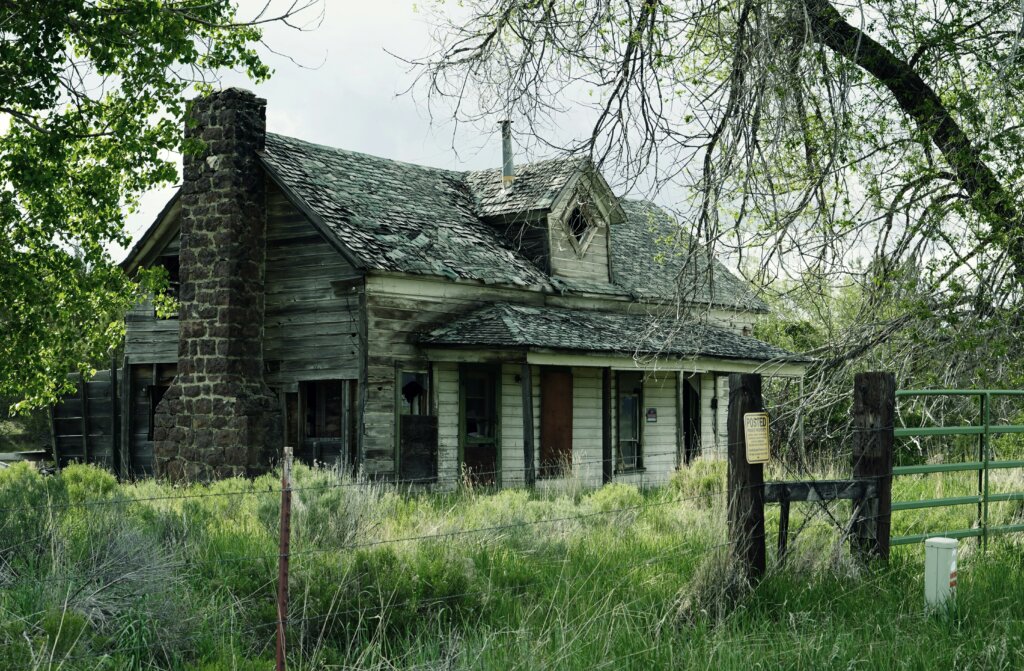
Whether you’re a homeowner, heir, or executor — this article aims to give you a clear roadmap that helps you sell fast, avoid legal issues, and get the best possible outcome.
Why Sell an Abandoned Property?
Common Reasons People Sell Abandoned Properties
Many properties become abandoned for various reasons. Some of the most common include:
- Financial burden: Ongoing mortgage payments, property taxes, utilities, maintenance — all even when the property sits empty.
- Disrepair and neglect: Roof leaks, structural problems, plumbing/electrical issues, pest damage — problems too expensive or time-consuming to fix.
- Inherited or unwanted property: After the death of a family member, heirs may not want to keep the house but don’t know how to handle the sale.
- Life changes or relocation: Moving out, relocating for work, divorce, or other life events that make maintaining the property impractical.
- Foreclosure risk, unpaid taxes or liens: If the property owner can’t keep up payments or taxes, the property becomes a liability.
- Avoiding ongoing expenses & risks: Empty houses attract vandalism, squatters, code violations, fines, and legal liabilities.
- Benefits of Selling an Abandoned Property: Selling an abandoned property — rather than keeping it — can bring several advantages:
- Immediate cash flow — rather than continuing to pay taxes, utilities, insurance, and maintenance.
- Avoidance of legal and financial risks — such as fines for code violations, liens, or liabilities for accidents/injuries on the property.
- No need for costly repairs — selling “as-is” means you may not have to invest in bringing the property up to livable condition.
- Peace of mind — you can close the door, settle the matter, and move on — without the stress of an unruly property.
How to Evaluate the Condition of Your Abandoned Property
Before you decide to sell, you should have a good understanding of what you own. A thorough evaluation helps you set realistic expectations and choose the right selling strategy.
Visual & Physical Inspection
- Structural issues
- Check for obvious problems: roof damage, sagging ceiling/floor, foundation cracks, damaged walls, broken windows or doors.
- Inspect plumbing, electrical wiring – an abandoned property often suffers from neglect leading to water damage, mold, or fire hazards.
- Maintenance neglect
- Overgrown yard, broken fences, trash, debris, pest infestation — these reduce curb appeal and may raise red flags with buyers.
- Safety hazards
- Unstable structures, broken glass, exposed wiring, open holes — these are dangerous for inspectors or potential buyers and may discourage many buyers.
- Environmental issues
- Possible mold, water leaks, insect or rodent damage, which may require professional remediation.
Marketability Assessment
- Local market conditions in Cleveland, TX — Is there demand for distressed properties? What are recent sale prices for comparable houses (even in poor condition)?
- Cost-benefit of repairs vs. sell-as-is — Sometimes minor repairs (e.g. paint, cleaning, boarding up windows) may increase buyer interest — but major renovation may not be worth it.
- Potential legal or sale challenges — Unresolved liens, titles, squatters, or code violations may hamper saleability or reduce offers.
Legal Considerations: What You Need to Know in Texas
Selling an abandoned property in Texas — like anywhere — requires attention to legal details. Neglecting these can result in complications or liability.
What Counts as “Abandoned” Under Texas Law
- Legally, abandonment isn’t just about vacancy: it involves the owner’s intent and lack of maintenance or oversight. In Texas, abandoned property is often classified under Texas law as personal property (e.g. furniture, vehicles), and special procedures apply for unclaimed or abandoned personal goods.
- Note: Abandoned property does not automatically become free or available for anyone to claim — attempts to unlawfully claim it (e.g. via adverse possession) without meeting strict legal requirements can lead to civil or even criminal penalties. For a more in-depth understanding of Texas laws regarding abandonment of personal property, check out this guide on when property is considered abandoned in Texas.
- Real estate, on the other hand, does not become abandoned in the same way. The property title remains intact, and the ownership of land cannot be lost simply by abandonment. However, ongoing neglect or failure to pay taxes and maintain the property could lead to legal consequences, including tax foreclosure or liens.
Risks of Holding an Abandoned Property
If a house remains vacant and neglected, local authorities may act:
- Code enforcement fines, especially for overgrown yards, structural hazards, safety violations.
- Government liens or even legal repossession in some cases.
- Liability for injuries if trespassers, squatters, or unauthorized persons are harmed on the property.
To understand the laws and procedures around vacant and abandoned properties in Texas, you can refer to this guide on vacant and abandoned property laws in Texas.
Title, Liens, and Ownership Verification
Before selling, you must ensure that your title is clear:
- Check for unpaid property taxes, municipal fines, liens, or any code violations — these must usually be settled or disclosed before sale.
- If the property was inherited, is part of an estate, or under probate — legal procedures apply (see next section). Failure to comply can invalidate the sale or lead to disputes.
Sales “As‑Is” and Disclosure Obligations
Texas allows selling abandoned or distressed properties as-is, meaning you offer the home in its current condition.
However — even in an as-is sale — you should disclose known defects or hazards. Nondisclosure can lead to legal issues after sale.
A standard form is required for disclosure, which includes the condition of structural systems, plumbing, electrical systems, and any other critical information that could affect a buyer’s decision. For more details, review the Seller’s Disclosure Notice from TREC to understand your disclosure responsibilities under Texas law.
Steps to Selling Your Abandoned Property in Cleveland, TX
Below is a practical, step-by-step guide to help you through the process of selling your abandoned house.
Step 1: Secure the Property — Safety & Basic Maintenance
- Board up windows & doors to prevent break-ins, vandalism, or squatters.
- Clean up the property — remove trash, debris, overgrown vegetation; cut grass, trim bushes, fix insecure entry points (fencing, gates).
- Turn off utilities (if applicable) — gas, water, electricity — to avoid ongoing costs or hazards.
- Make the property safe and presentable even if you plan to sell as-is — buyers or evaluators often expect at least minimal exterior cleanup or basic safety fixes to consider an offer.
These steps improve curb appeal and reduce risk for both you and potential buyers.
Step 2: Gather All Necessary Documentation
Compile all relevant property paperwork before listing or contacting buyers:
- Deed and proof of ownership (title)
- Records of property taxes — including status of payments or outstanding taxes
- Any prior lien documentation (mortgage liens, tax liens, code enforcement fines)
- Any available maintenance or repair receipts (even old ones)
- Records of occupancy history, especially if the house has been vacant for a long time — this may help potential buyers assess risk
Having documentation ready from the start streamlines the sale, builds buyer confidence, and reduces legal risk.
Step 3: Get a Realistic Property Appraisal or Market Estimate
Even abandoned properties have value — but the price will reflect condition, repair costs, and market demand.
- Hire a licensed appraiser or a local real estate professional familiar with distressed/abandoned homes in your area.
- Evaluate comparable sales (even of repaired or partially renovated houses) and adjust downward to reflect costs that a buyer might incur.
- Use the appraisal as the reference baseline — whether you plan to sell “as-is” or consider minor repairs.
Step 4: Decide on Sale Strategy — Which Method Makes Sense?
Here are common ways to sell an abandoned house in Cleveland, TX:
| Method | Pros | Cons |
|---|---|---|
| Traditional Sale (with realtor, listing on MLS, making repairs as needed) | Potential for highest sale price, competition among buyers | Requires time, repairs, cleaning, may have financing delays, fewer buyers for distressed homes |
| Sell As‑Is to Cash Buyer / Investor | Fast closing, no repairs needed, minimal hassle, good for distressed / neglected houses | Likely lower sale price, fewer buyers, offers take discount into account |
| Auction (public or estate sale) | Quick sale, possibility of competitive bidding | Price uncertainty, potential for low sale price, fees involved |
| Private Sale / For‑Sale‑By‑Owner (FSBO) | Avoid realtor commissions, more control over sale conditions | Requires effort to market, negotiate, and manage legal/closing process — may be hard for abandoned homes |
In many cases, for abandoned or distressed properties, selling as-is to a cash buyer or investor is the most practical and least stressful route. In Texas, this is legally permissible.
Step 5: Consider Minor Pre-Sale Improvements (If Feasible)
While major renovations may not make sense, some minor improvements may boost interest and offers:
- Clean up the yard, remove trash/debris, trim vegetation
- Board up or fix broken windows/doors to make the property appear safer
- Paint or clean exterior surfaces (if possible) — even improved curb appearance can improve perceived value
- Provide clear photos, accurate property description, and full disclosure of issues
These small steps can make a difference, especially when the buyer is an investor or someone looking for a bargain with potential.
Step 6: Listing, Marketing & Buyer Outreach
If you decide not to sell directly to a cash buyer or investor, here’s how to approach listing and marketing:
- Work with a real estate agent — preferably one experienced with distressed/abandoned properties or probate/inherited homes in Texas.
- List on multiple platforms: MLS, investor networks, online “as-is / fixer-upper” marketplaces, local ads for cash buyers.
- Emphasize transparency — clearly state condition, known defects, need for repairs, “as-is” sale.
- Be open to offers from cash buyers — these often close faster and with fewer contingencies.
Step 7: Legal Compliance, Disclosures & Closing
- Disclose all known defects, hazards, defects — even in an “as-is” sale. Nondisclosure can risk legal liability after sale.
- Resolve or reveal any outstanding liens, unpaid taxes, code violations or municipal fines — buyers may demand these to be cleared, or discount offers accordingly.
- Ensure a clear title — use a title company or attorney to conduct a title search. Any “clouds” on the title (liens, unknown heirs, coded violations) should be resolved or disclosed.
- For inherited or probate-related properties — ensure all probate procedures are completed or approved before sale. If under probate, additional court requirements may apply.
- Once documents are in order, proceed to closing: sign deed, transfer title, settle any outstanding charges or liens, and finalize sale.
Common Mistakes & Pitfalls — What to Avoid
Many sellers of abandoned properties make avoidable mistakes. Being aware helps you protect your interests.
- Trying to hide liens, code violations, or property defects — this may lead to legal trouble post-sale or cause buyers to back out.
- Overestimating property value or ignoring repair costs — unrealistic price expectations often kill deals.
- Delaying action — the longer a house sits abandoned, the worse the damage, and the harder it becomes to sell. Municipal fines or code violations may accumulate.
- Not verifying title or ownership properly — especially with inherited properties or those under probate, you risk selling a house without legal authority.
- Neglecting disclosure requirements — even for “as-is” sales, you might be liable for nondisclosure of known issues.
How to Maximize Your Sale Price — Smart Strategies
Even with an abandoned or distressed property, there are ways to improve your final sale outcome.
Minor Pre-Sale Investment (When It Makes Sense)
- Yard cleanup, trash removal, and basic maintenance (boarding up windows/doors, securing the house) can make a big difference to a buyer.
- Sometimes cosmetic fixes (paint, cleaning) — if budget permits — may increase buyer interest enough to offset cost.
Transparency & Full Disclosure
- Honesty about defects, liens, taxes builds trust — investors and serious buyers respect clarity.
- Having all legal and property documentation ready from the start reduces delays and helps smooth closings.
Target the Right Buyer
- Cash buyers or real estate investors are often preferred for abandoned homes — they take “as-is,” accept risk, and move fast.
- Probate attorneys or estate executors may also seek quick buyers for inherited or abandoned estates.
- Marketing in networks that cater to investors or “fixer-upper” buyers — sometimes off-market — can yield better results than broad public listing.
Be Flexible & Realistic
- Accept that the sale price will likely be below market value given property condition.
- Consider offers carefully — the speed, certainty, and convenience of a cash offer may outweigh small differences in price.
Special Cases: Inherited Property & Probate Sales
If the abandoned property is inherited, or the previous owner passed away, different rules may apply — especially if there is no living trust or clear estate planning.
- Real estate in probate must follow state law: an executor or administrator is typically responsible for managing and selling estate property, including obtaining court approval in many cases.
- Some sales may require the property to be appraised and offered at or above a certain percentage of fair market value.
- Probate sales may take longer, with additional paperwork, notifications to heirs and creditors, and possible court hearings — so timeline and buyer expectations need adjustment.
- Despite these complications — even probate or inherited properties can sometimes be sold quickly, especially to cash buyers willing to work with estates.
If you find yourself in this situation — inherited or estate property — it’s wise to consult a probate attorney or a professional experienced in estate real estate sales to avoid legal risk.
What to Expect: Timeline, Closing & Typical Sale Outcomes
Timeline Overview
The exact timeline varies widely depending on property condition, legal status, and buyer type — but here’s a rough idea for an abandoned property sale:
| Scenario | Estimated Timeline |
|---|---|
| Sell to cash buyer/investor (as-is, no major complications) | 2–8 weeks — from initial contact to closing (assuming title and paperwork are clean) |
| Traditional sale (after repairs, listing, buyer financing) | 3–6+ months — includes repair, listing, showing, negotiation, inspection, and closing |
| Sale of inherited/probate property | 2–6+ months or longer — depending on probate proceedings, documentation, court approvals |
| Auction or investor marketplace sale | 1–3 months — depending on auction schedule, buyer interest, title clearance |
What A Cash Buyer Offer Typically Looks Like
Because the property is abandoned, neglected, or needs repairs, expect:
- A discounted offer price compared to market value — to account for repair costs, risk, and time.
- “As-is” sale conditions — buyer likely won’t ask for many repairs.
- Fast closing and cash payment — fewer delays, no financing contingencies.
- Reduced or no real estate agent commissions (if you sell directly).
Closing Costs and Legal Obligations
- Ensure all outstanding taxes, code fines, or liens are disclosed or settled. Buyers often factor these in or require clearance before closing.
- Provide full disclosure of known defects and risks — even in an “as-is” sale — to avoid future liability.
- Use a title company or real estate attorney to ensure a clear transfer of title and valid deed.
Frequently Asked Questions
1. What is the best way to sell an abandoned property in Cleveland, TX?
Answer: The best way to sell an abandoned property in Cleveland, TX is by choosing a method that suits the property’s condition. If the property is in poor condition, selling “as-is” to a cash buyer can be the fastest and most convenient option. Alternatively, you can sell through traditional listing methods if the property is marketable, although this may require repairs and take more time.
2. How do I know if my abandoned property is worth selling?
Answer: To determine if your abandoned property is worth selling, assess its condition, location, and the local Cleveland real estate market. If repairs are costly and the property requires significant work, selling to a cash buyer might be more beneficial than investing in repairs. You can also get an appraisal from a professional to understand its market value.
3. Can I sell an abandoned property in Cleveland, TX if there are unpaid taxes or liens?
Answer: Yes, you can sell an abandoned property in Cleveland, TX even if there are unpaid taxes or liens. However, these must typically be cleared before closing. Buyers may also request these issues to be resolved before they proceed with the sale. It’s crucial to resolve any legal issues or disclose them during the selling process.
4. How long does it take to sell an abandoned property in Cleveland, TX?
Answer: The time it takes to sell an abandoned property in Cleveland, TX depends on the selling method. If you sell to a cash buyer, the process can take anywhere from 2–8 weeks. However, a traditional sale can take 3–6 months, especially if repairs are needed or financing is involved. Probate or inherited properties may take longer due to legal complexities.
5. What are the risks of selling an abandoned property in Cleveland, TX?
Answer: The main risks of selling an abandoned property include legal complications such as unresolved liens, unpaid taxes, or issues with the title. Additionally, selling an abandoned property “as-is” means the buyer might request a lower price, and you may face liability for injuries on the property if not secured properly. It’s important to address these risks upfront.
6. Can I sell my abandoned house in Cleveland, TX without making repairs?
Answer: Yes, you can sell your abandoned house in Cleveland, TX without making repairs, especially if you sell to a cash buyer or real estate investor. They typically buy properties “as-is,” meaning they accept the property in its current condition, regardless of repairs or improvements needed. However, you may receive a lower offer compared to a traditional sale.
Conclusion
Selling an abandoned property in Cleveland, TX doesn’t have to be a long, painful ordeal. With the right approach — realistic expectations, honest disclosure, and proactive preparation — you can turn a burdensome, neglected property into cash, quickly and safely.
Whether your home has been empty for years, inherited through probate, or is simply no longer worth your time and money — a well-executed sale can relieve stress, stop ongoing expenses, and give you a fresh start.
Before you begin: secure and clean up the property, gather all documents, get a fair appraisal, and decide whether to target a cash buyer or go the traditional route. If there are legal complications — liens, inheritance, code violations — treat them promptly and transparently.
Finally: be realistic. Abandoned properties typically sell for less than market value. But speed, convenience, and peace of mind are often worth the discount — especially when time, taxes, and risk are mounting.
At Houston Area Home Cash Buyers, we specialize in buying abandoned properties quickly and with minimal hassle. We offer fair, cash offers and can close in a matter of days. Let us help you sell your abandoned property in Cleveland, TX — with confidence and ease. Contact us today to get started.