

Selling a vacant home can feel like walking a tightrope: on one hand, an empty property offers a blank canvas for buyers to envision their future; on the other hand, it can raise doubts and trigger concerns that may scare potential buyers away. If you own a vacant home in Plano, TX — or the surrounding area — you might wonder: is it actually easier to sell a vacant home than an occupied one?
The short answer: it depends. A vacant home has both advantages and disadvantages. With the right strategy, you can make vacancy work in your favor — but without proper preparation, the emptiness can become a liability. In this article, we walk through the unique aspects of selling a vacant home, weigh the pros and cons, and then dive deep into 10 practical tips to make your vacant property in Plano more marketable and sell faster.
Why Selling a Vacant Home Can Be Different
What Makes Selling Vacant Homes Unique?
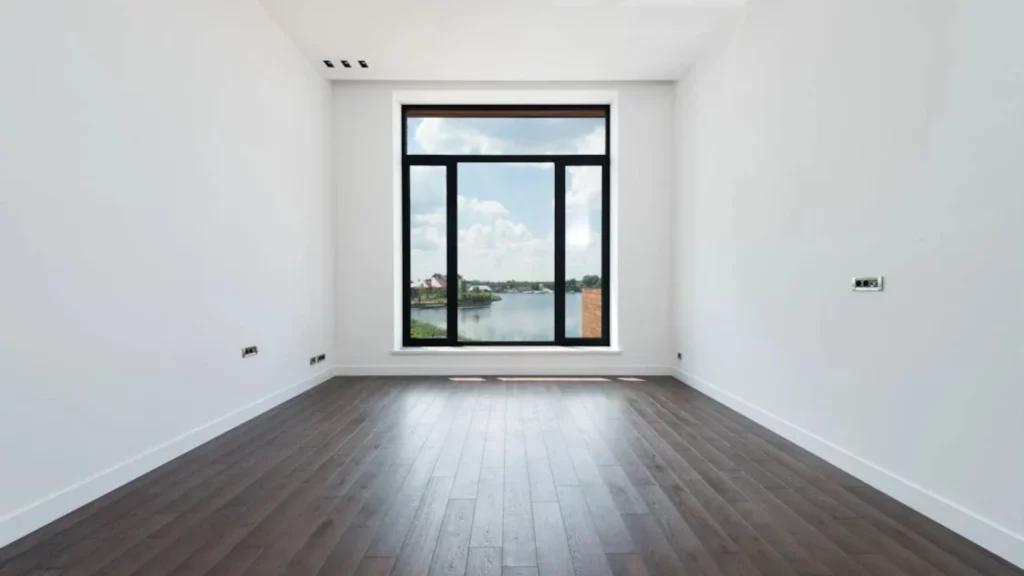
Vacant homes differ from occupied homes simply because there are no people living there, no personal items, and often no regular upkeep. This status changes how buyers—and agents—view the property. On the positive side:
- Buyers can schedule showings more flexibly, without worrying about coordinating with current occupants.
- A vacant home presents a blank slate: buyers can imagine their own furniture, décor, and lifestyle without being distracted by the seller’s personal taste or clutter.
But there are drawbacks too:
- Empty rooms can look smaller or feel cold — without furniture or staging, it may be harder for buyers to visualize living there.
- A vacant house may signal neglect: overgrown lawn, dust, minor disrepair might raise red flags about maintenance, structural issues, or hidden problems.
- Holding costs remain: even if unoccupied, you may still need to pay utilities, insurance, taxes, upkeep — which can add up over time.
Pros & Cons of Selling a Vacant Home in Plano, TX
Here’s a quick breakdown of the advantages and disadvantages specific to vacant home sales, which can spark influencing factors for sellers in Plano.
| Advantages | Disadvantages / Risks |
|---|---|
| Flexible showings — easier to let agents/buyers inspect at any time | Lack of emotional warmth: harder for buyers to visualize living there without staging |
| Neutral canvas — easier for diverse buyers to imagine own design and use | Property may look neglected: overgrown landscaping, dust, minor disrepair can lower perceived value |
| Potential for quicker sale — no need to coordinate with occupant’s schedule; easier access for inspections and offers | Holding costs still apply (taxes, utilities, insurance, maintenance) even when unoccupied |
| Easier to sell “as-is” — especially to investors or cash buyers willing to accept condition, saving you time & money on repairs/clean-up | Potential buyers may discount price: vacant homes tend to sell for less than well‑staged, occupied ones if not properly prepared |
10 Tips to Sell a Vacant Home Fast in Plano, TX
If you’re ready to sell your vacant home, these 10 tips can tilt the odds in your favor. They’re geared toward maximizing appeal, reducing buyer hesitation, and attracting serious offers efficiently.
1. Price It Right to Attract Serious Buyers
Understand the Local Market
Pricing is always crucial — but for a vacant home, it matters even more. Too high, and buyers may skip it altogether; too low, and you undersell potentially valuable property. Research recent sales of comparable homes in Plano to get a realistic sense of market value. Take into account that many vacant homes may sell for somewhat less than well-staged ones. Learn more about pricing strategies at Zillow’s “How to Price Your Home to Sell” guide.
Use Comparative Data — Vacant vs. Occupied Sales
It can be useful to see how vacant homes have fared compared to occupied or staged properties. For example, if vacant homes in your neighborhood tend to sell ~5–10% below average, factor that into your pricing strategy. This transparency can help you set expectations — and attract buyers willing to accept a project for value.
Adjust for Condition Rather Than Ideal
Because your home is vacant, it’s likely to have some wear, maybe minor issues. Instead of pricing for perfection, price for realistic condition — and communicate that clearly to avoid surprises later. This authenticity builds trust with buyers.
2. Stage the Property to Appeal to Buyers
One of the biggest hurdles with vacant homes is the lack of “homey feel.” Without furniture or décor, rooms can seem smaller or cold — making it harder for buyers to emotionally connect.
Home staging — either virtual or physical — can transform a vacant house into an inviting, desirable space.
Virtual vs. Physical Staging
| Staging Type | Pros | Cons |
|---|---|---|
| Virtual Staging | Affordable; quick; shows rooms with furniture to help buyers visualize layout | Buyers might feel misled if photos don’t match reality — transparency needed |
| Physical Staging | Real, tangible — helps buyers feel the scale, layout, and atmosphere better | Higher cost; may require furniture rental or storage |
In many cases, virtual staging is a cost‑effective way to give your listing life without heavy investment — especially if you communicate clearly that the home is vacant and ready for buyers’ customization.
Budget-Friendly Staging Ideas
- Use neutral décor, simple furnishings, and minimal clutter — the goal is to help buyers imagine their life there, not impose a style.
- Focus on high-impact rooms: living room, main bedroom, and kitchen — these often sway first impressions.
- Include exterior photos with clean lawn and trimmed landscaping to improve curb appeal.
3. Consider Minor Repairs or Touch-Ups
Even though the home is vacant, neglecting small issues can harm its perceived value. Buyers — especially those investing — may assume that small visible flaws signal bigger hidden problems.
Repairs That Add Value
- Fix leaks, plumbing issues, or faulty fixtures.
- Address cosmetic issues: peeling paint, scuffed walls, cracked tiles, uneven flooring.
- Ensure basic systems (electrical, HVAC, plumbing) are functional, or at least clearly disclosed if selling “as-is.”
Resist over-investing. The goal isn’t to renovate fully — just to make sure the home doesn’t give the impression of abandonment or neglect.
4. Keep the Home Clean and Well-Maintained
Vacant properties tend to collect dust, attract pests, or grow weeds outside — which can make them look uncared for. That’s why ongoing maintenance is critical.
Maintenance checklist:
- Regularly mow the lawn, trim bushes, and clean walkways.
- Ensure exterior is neat; remove debris, and make sure yard doesn’t look overgrown or neglected.
- Keep interiors clean — vacuum, dust, and consider periodic cleanings if the property sits vacant for a while.
- If possible, keep utilities on (lights, HVAC) to avoid musty smells or signs of damp, mold, or disrepair.
A clean, orderly property signals to buyers that even though it’s empty, it’s been cared for — which builds confidence.
5. Market the Home Effectively
Vacant homes often require more effort to sell: you need to overcome negative first impressions and show potential rather than lived‑in reality. That means marketing matters more.
Online Listings & Presentation
- Use high‑quality photos (ideally professional photography) — emphasize brightness, space, and clean lines.
- Where possible, use video or virtual tour: this helps remote buyers evaluate layout and flow even if they can’t physically visit.
- In descriptions, highlight the “blank canvas” nature — potential for customization, faster closing, and flexibility.
For tips on how to effectively market your home online, check out this article on Zillow.
Emphasize Key Selling Points
Focus on positives: location, lot size, neighborhood amenities, proximity to shops/schools/transport, potential for renovation/customization, ready-to-close status (especially for cash buyers), etc.
A well-crafted listing helps buyers see what the home could be, instead of focusing only on what it is now (empty).
6. Work with a Real Estate Agent Who Understands Vacant Properties
Selling a vacant home isn’t the same as selling an occupied one. Having an experienced agent — one who understands the dynamics of vacant‑home sales — can make a major difference.
What to Look for in an Agent
- Experience with vacant or “as-is” properties. Agents who’ve sold similar homes will know how to price, market, and negotiate smartly.
- Strong marketing skills: including access to networks, ability to market to investors/cash buyers, and professional photography/videography.
- Transparency and willingness to advise on staging, repairs, and realistic pricing based on property condition and local market.
An experienced agent may also connect you with cash buyers — which can simplify and speed up the sale process.
7. Provide Easy Access for Showings
One benefit of a vacant home is flexibility — but only if you make it easy for buyers or investors to view the property.
Strategies to Facilitate Showings
- Install a lockbox or similar secure access method (smart lock, keypad, etc.), so agents or potential buyers can schedule showings without complicated coordination.
- Maintain flexibility: allow weekday, evening, weekend viewings — especially since vacant homes often attract investor buyers who may have busy schedules.
- Ensure safety: secure locks, functioning lights, no hazards — buyers shouldn’t feel like they’re walking into a neglected or unsafe property.
8. Offer Incentives to Attract Buyers
Sometimes vacancy alone is not enough — offering incentives can sweeten the deal and attract more interest. Here are some effective incentives you might consider:
- Allowing a quick close — especially appealing to investors or buyers wanting to move fast. Cash buyers often appreciate properties they can close quickly without financing delays.
- Pricing concessions or credits — instead of doing full renovations, you can offer a repair credit or price reduction to offset potential buyer concerns about repairs.
- Flexible terms: allow buyers to purchase the property “as-is,” which many investors prefer; or offer to include certain fixtures, appliances, or other extras. This reduces buyer effort and can make the home more attractive.
These incentives signal to buyers that you understand their concerns — and that you’re motivated to make the sale straightforward.
9. Be Prepared to Negotiate — and Price Realistically
Because vacant homes often carry perceived risk (neglect, repairs, maintenance), many interested buyers may submit offers below asking price. That’s why you need to be ready to negotiate.
Tips for Effective Negotiation
- Expect lower offers — especially if home needs noticeable repairs or if buyer must invest effort after purchase.
- Keep initial asking price realistic — overpricing a vacant house can make it linger unsold, which further damages perceived value.
- Be transparent about condition: disclose known issues (plumbing, HVAC, roof, etc.), so buyers trust you and aren’t surprised during inspection.
- Offer negotiation flexibility: closing date, repair credits, as-is terms, etc. Such flexibility can often make up for a lower price in buyer’s mind.
10. Work With Cash Buyers for a Quick Sale (When Appropriate)
One of the most effective exit strategies for a vacant home is to sell to a cash buyer or investor — especially if you don’t want to invest in repairs, staging, or extended marketing. Many cash‑buying companies specialize in vacant or “as-is” properties.
Why Cash Buyers Make Sense
- They often accept homes in any condition — repairs, staging, or cleanup not required.
- Faster closing times: without mortgage financing, closings can happen in a matter of days or weeks.
- Less hassle: you don’t have to maintain the home while it’s on the market, pay utilities, lawn service, upkeep, or wait for traditional buyers.
That said, selling to a cash buyer usually means accepting a lower sales price. But if time, convenience, and avoiding holding costs are a priority — it can be the smartest route.
Common Questions About Selling Vacant Homes (FAQs)
Q1: Can I Sell a Vacant Home in Plano, TX, Without Making Any Repairs?
A: Yes, you can sell a vacant home “as-is” in Plano, TX, especially to cash buyers or investors. However, significant issues may reduce buyer interest or lower offers. Be transparent about the home’s condition and price accordingly.
Q2: How Important Is Staging a Vacant Home for Sale in Plano, TX?
A: Staging a vacant home helps buyers visualize the space, making it more appealing. If you’re on a budget, consider virtual staging as an affordable alternative to physical staging.
Q3: How Long Does It Take to Sell a Vacant Home in Plano, TX?
A: The timeline varies, but vacant homes may take longer to sell. Cash buyers can close quickly, often within 7–14 days. Proper pricing and marketing can speed up the process.
Q4: What Are the Risks of Selling a Vacant Home in Plano, TX?
A: Risks include vandalism, deterioration, and ongoing holding costs (taxes, utilities). Regular maintenance and security measures can help mitigate these risks.
Q5: Are Cash Buyers the Best Option for Selling a Vacant Home in Plano, TX?
A: Yes, cash buyers are often the best choice for vacant homes, offering fast, hassle-free transactions. While offers may be lower, the speed and ease of sale are key benefits.
Q6: How Can I Price My Vacant Home for Sale in Plano, TX?
A: Research comparable sales and adjust for the home’s condition. Vacant homes often sell for less than occupied ones, so price realistically based on market value and required repairs.
Q7: Can I Sell a Vacant Home in Plano, TX, If It Needs Major Repairs?
A: Yes, you can sell a home “as-is” even if it needs major repairs. Cash buyers or investors specialize in such properties, but be prepared for lower offers.
Q8: Is It Necessary to Stage a Vacant Home in Plano, TX, for a Quick Sale?
A: While not necessary, staging a vacant home can help attract buyers. Virtual staging is an affordable option that can showcase the property’s potential.
Q9: How Can I Protect My Vacant Home While It’s on the Market in Plano, TX?
A: Protect your vacant home with a security system, regular maintenance, and secure access (e.g., lockboxes). Keep the property clean and well-maintained to avoid the appearance of neglect.
What Selling a Vacant Home in Plano, TX Means (Local Market Considerations)
While the general principles above apply broadly across the U.S., selling a vacant home in Plano, TX has certain local implications worth noting:
- The demand for housing in many Texas suburbs remains strong — but buyers often expect move-in ready, well-maintained homes. A vacant home must show as “well-cared for” even if empty.
- Investors and cash buyers are active in suburban and metro areas — so marketing to them may increase your chances of a quick sale.
- Curb appeal is especially important in suburban neighborhoods: clean landscaping, neat exterior, and good first impressions can sway buyers who drive through listings.
Given the combination of market demand and buyer expectations, applying all 10 tips together significantly raises your odds of a successful sale — whether to traditional homebuyers or investors.
Conclusion
So, is it easier to sell a vacant home in Plano, TX? The honest answer: it can be — but only when handled right. Vacancy brings flexibility, convenience, and potential for a clean, quick sale. But it also exposes your property to risks: neglect, vandalism, dwindling buyer interest, and price discounts.
The difference lies in preparation and strategy. By pricing realistically, staging and marketing the home smartly, keeping up maintenance, and considering cash buyers or investor-focused sales, you can turn vacancy into an advantage. On the flip side, neglecting these steps might leave you with a home that sits on the market — or worse, sells for far less than its potential.
If you follow the 10 tips above, you give your vacant home the best possible chance for a smooth, profitable sale — whether to a family looking for their next home, or an investor seeking value in Plano’s real estate market.
At Houston Area Home Cash Buyers, we understand the challenges of selling a vacant home and are here to help you through every step of the process. With the right approach, your vacant property can be transformed into your fastest path to a successful sale. Reach out today to get started!