

Selling a fixer-upper house fast in San Antonio, TX can feel complicated because the property may need repairs, updates, cleanup, or even major renovation work. Many homeowners worry that buyers will not be interested, that inspections will fail, or that the home will sit on the market for months. Others simply don’t have the time, money, or energy to fix the home before selling—especially if they’re dealing with a move, divorce, inheritance, financial pressure, tenants, or a vacant house.
The reality is that San Antonio has a strong demand for fixer-uppers, especially from investors and buyers looking for value-add opportunities. If you choose the right path and prepare smartly, you can sell quickly—often without making repairs, without cleaning extensively, and without long waiting periods.
This guide explains exactly how to sell a fixer-upper fast in San Antonio, what slows sellers down, what speeds the process up, and what you should expect at every step.
What Is Considered a Fixer-Upper House?
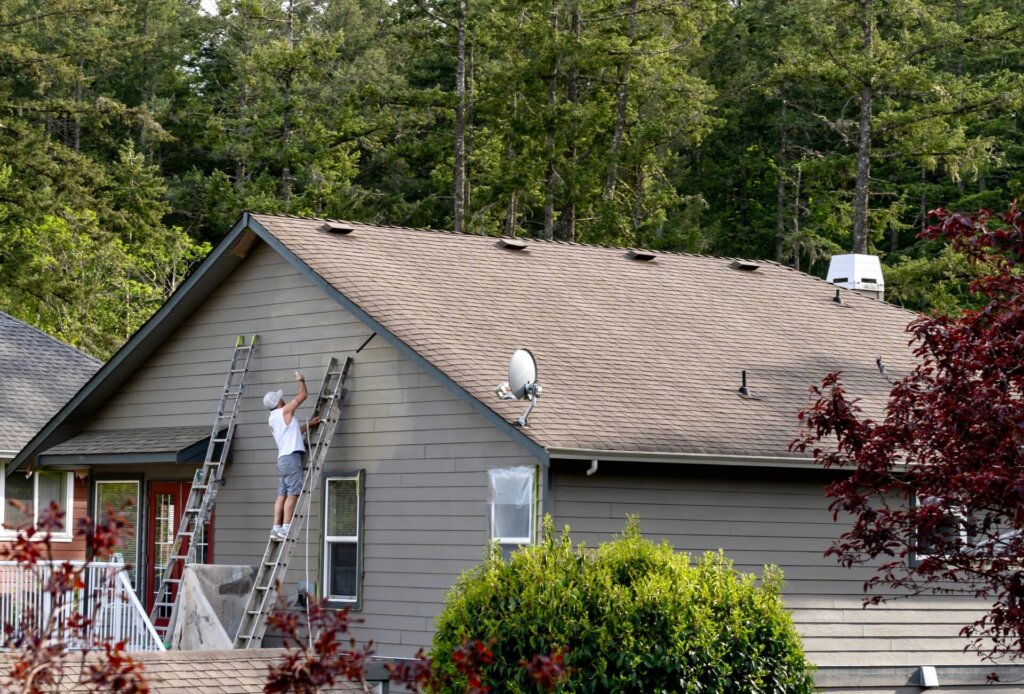
A fixer-upper is a home that is not move-in-ready for a typical retail buyer. That doesn’t mean the house is “bad.” It simply means the property likely needs work that many traditional buyers don’t want to handle, or that their lenders won’t approve.
Common Characteristics of a Fixer-Upper
Fixer-uppers commonly include one or more of the following:
- Outdated interiors
Old cabinets, counters, flooring, fixtures, popcorn ceilings, worn paint, older lighting, or dated layouts. - Deferred maintenance
Small issues ignored over time: leaks, damaged drywall, stained ceilings, rotting trim, broken windows, clogged gutters, and neglected landscaping. - Mechanical system concerns
Older HVAC systems, old water heaters, outdated electrical panels, plumbing issues, or insufficient insulation. - Roofing or foundation concerns
Missing shingles, roof leaks, sagging areas, pier-and-beam issues, foundation cracks, or settling. - Water damage or moisture problems
Bathroom mold, under-sink leaks, roof stains, musty smells, or poor drainage. - Cosmetic and functional damage
Pet damage, smoke odors, hoarder conditions, heavy clutter, broken doors, damaged flooring, or vandalism in vacant homes.
Who Usually Buys Fixer-Upper Houses?
Fixer-uppers are purchased by a different buyer pool than move-in-ready homes:
- Investors looking to renovate and resell
- Landlords aiming to fix up and rent
- Flippers buying below market value to remodel
- Cash buyers who can handle condition issues
- Contractors or experienced buyers willing to renovate
In a city like San Antonio—with steady population growth and many older homes—this buyer pool is active in many neighborhoods.
Why Selling a Fixer-Upper Can Be Challenging
Fixer-uppers are not impossible to sell—but they come with predictable friction in a traditional listing.
Financing Barriers Are the #1 Slowdown
Most retail buyers rely on a mortgage, and lenders typically require homes to meet strict mortgage inspection requirements, including minimum habitability standards, as explained by Investopedia’s overview of home inspection requirements. These requirements often include:
- livable condition
- working major systems
- acceptable roof and foundation status
- appraisal value support
- completion of required repairs (sometimes)
If the home has significant issues, the buyer might still want it, but their loan approval may fail, delaying or canceling the deal.
Inspections Often Lead to Renegotiation
Buyers may request:
- price reductions
- repair credits
- repairs prior to closing
- additional specialists (foundation, roof, HVAC)
Each request adds time, stress, and uncertainty.
Appraisal Problems Are Common
Even if the buyer loves the home, the appraisal may come in low due to condition. That can force:
- renegotiation
- buyer bringing cash (often not possible)
- deal cancellation
Time-on-Market Can Create a “Stale Listing” Problem
If a fixer-upper sits too long:
- buyers assume hidden problems
- they expect larger discounts
- your negotiating position weakens
That’s why “fast strategy” is often better than “wait and see.”
The San Antonio Real Estate Market for Fixer-Uppers
San Antonio has consistent demand for fixer-uppers due to:
- affordability compared to other Texas metros
- investor activity and rental demand
- redevelopment and infill projects
- steady buyer migration into the area
Why Fixer-Uppers Move Faster in Some Areas
Fixer-uppers often sell fastest where:
- there are many rentals nearby
- ARV (after-repair value) is strong
- neighborhoods are improving
- properties are near employers, highways, or growth corridors
Even within San Antonio, neighborhood-by-neighborhood demand varies. The key is aligning your sales method with the buyer pool most likely to act quickly.
Fastest Ways to Sell a Fixer-Upper House in San Antonio
If your goal is speed, the best approach is to choose a method designed for condition-challenged properties.
1. Sell the Property As-Is (No Repairs)
Selling as-is means you are not committing to repairs or upgrades, and buyers purchase the house in its current condition.
Why as-is can be fast:
- fewer repair negotiations
- fewer delays from contractor scheduling
- less cash out of pocket
- clearer expectations upfront
Important note: “As-is” does not mean you can hide known issues. It simply means you are not agreeing to fix them.
When selling a house as-is, the seller is not required to make repairs, and the buyer accepts the property in its current condition—an approach that often appeals to investors and cash buyers. According to Bankrate’s guide on selling your house as-is, this method can simplify the selling process in many cases.
2. Sell for Cash (Often the Fastest Option)
Cash sales can move quickly because:
- no lender underwriting
- no mandatory appraisal
- fewer contingency delays
- easier closing scheduling
This is especially helpful for properties with:
- roof issues
- foundation concerns
- outdated electrical/plumbing
- heavy cleanup needed
- tenant or title complexity (in many cases)
3. Price Strategically for Speed
Pricing is the lever that controls speed. The more condition issues, the more important pricing becomes.
A fast sale price typically reflects:
- repair costs
- risk buffer for unknown repairs
- time savings for the buyer
- local demand for fix-and-flip opportunities
4. List on the Market (But Target Investor Buyers)
Some sellers still list their fixer-upper on the MLS but position it for investors:
- “Investor special”
- “Bring your contractor”
- “As-is”
- “Cash or hard money preferred”
This can work, but the timeline is often less predictable than a direct cash path.
Sell As-Is vs Fixing the Property First
This is one of the biggest decisions sellers face. Many homeowners assume repairs are required—but often, the math does not support it.
| Decision Factor | Sell As-Is | Fix Before Selling |
|---|---|---|
| Upfront cash required | Low/none | Often high |
| Time commitment | Minimal | Significant |
| Risk of surprise expenses | Lower | Higher |
| Buyer pool | Investors/cash | Retail buyers |
| Appraisal risk | Lower | Higher (still possible) |
| Timeline | Often faster | Often slower |
| Stress level | Typically lower | Typically higher |
When Fixing First Can Make Sense
Fixing can help if:
- the issues are mostly cosmetic
- you can complete repairs quickly
- you have trusted contractors
- your market supports a big price jump for improved condition
When Selling As-Is Usually Makes More Sense
Selling as-is often makes sense when:
- repairs are large or uncertain
- the home is vacant or deteriorating
- you need speed
- you don’t want renovation management
- you want a straightforward transaction
How Cash Buyers Purchase Fixer-Upper Homes (Detailed)
Understanding the process helps you avoid surprises and move faster.
Step 1: Share Basic Property Details
Usually needed:
- address
- property type (single-family, duplex, etc.)
- bedrooms/bathrooms
- rough condition notes (roof, foundation, etc.)
- occupancy status (vacant/tenant/owner)
Step 2: Property Review or Walkthrough
This may happen via:
- in-person walkthrough
- photos/video
- public record review
- contractor estimate (in some cases)
The speed depends on access and condition.
Step 3: Offer Calculation (What It’s Usually Based On)
Many buyers estimate:
- ARV (after-repair value)
- repair budget
- holding costs
- resale costs
- profit margin needed for the risk
You don’t need to agree with every number—but knowing the framework helps.
Step 4: Contract and Timeline
A fast contract will usually include:
- purchase price
- as-is terms
- closing date range
- any contingencies (if any)
- who pays what closing costs (varies)
Step 5: Title Work and Closing
The title company typically handles:
- verifying ownership
- checking liens
- preparing settlement statements
- coordinating signing
- transferring funds
If you want speed, the biggest driver is how quickly title can clear.
How Long Does It Take to Sell a Fixer-Upper for Cash in San Antonio?
Here is a more detailed view:
| Phase | Typical Time Range | What Can Speed It Up |
|---|---|---|
| Initial review & walkthrough | 1–3 days | Quick access + photos |
| Offer & agreement | same day to 2 days | Clear expectations |
| Title work | 3–14 days | Clean title, fewer liens |
| Closing | 7–21 days total | Seller-ready documents |
What Usually Slows Closings
- probate/inheritance paperwork
- liens (tax liens, HOA liens, judgments)
- multiple owners/heirs
- missing documentation
- tenant issues
- unresolved code violations
Many of these can still be handled, but they can add days.
Costs You Avoid When Selling a Fixer-Upper Fast
Fixer-uppers can be expensive to hold. Selling fast may help avoid:
Repair and Renovation Costs
Common big-ticket repairs:
- roof replacement
- foundation stabilization
- HVAC replacement
- plumbing re-pipes
- electrical panel upgrades
- mold remediation
Holding Costs
Even if you do nothing, you may still pay:
- mortgage
- utilities
- property taxes
- insurance
- yard maintenance
- security or repairs from vandalism
Traditional Selling Costs
Depending on the path, sellers may avoid:
- agent commissions
- staging
- extensive cleaning
- repeated showings
- buyer repair demands
What Documents Are Needed to Sell a Fixer-Upper Fast?
Having paperwork ready reduces delays. Common items include:
Essential Items
- government-issued ID
- deed information (title company can usually locate this)
- mortgage payoff info (if applicable)
- HOA details (if applicable)
- property tax status
Helpful but Not Always Required Immediately
- survey (if you have it)
- past insurance claim info
- permits or repair receipts
- lease agreements (if tenant-occupied)
If you don’t have everything, the title company can often help retrieve or verify what’s needed.
Selling an Inherited Fixer-Upper House in San Antonio
Inherited properties are a major source of fixer-uppers.
Why Inherited Homes Often Need Repairs
- long-term ownership means outdated systems
- deferred maintenance over years
- hoarding or heavy belongings
- vacant periods leading to deterioration
Common Inheritance Scenarios
- one heir living out of town
- multiple heirs needing agreement
- probate requirements
Selling fast is often the simplest way to divide proceeds and avoid long-term responsibility.
Selling a Vacant Fixer-Upper House Fast
Vacant properties often come with unique issues:
- water leaks going unnoticed
- HVAC off leading to humidity and mold risk
- vandalism or theft (copper, appliances)
- yard issues or city notices
Selling fast can reduce the chance of additional damage and extra holding costs.
Selling Before Foreclosure or During Financial Pressure
If time matters, speed matters.
Why Fixer-Uppers Are Harder in Foreclosure Situations
If you list traditionally:
- inspections and financing can fail
- timelines can run longer than deadlines
Selling quickly is often about reducing uncertainty.
If You’re Behind on Payments
A fast sale may help protect:
- remaining equity
- credit impact (depending on timing and lender status)
(For legal specifics, sellers should confirm with a qualified professional in Texas.)
San Antonio Neighborhoods Where Fixer-Uppers Often Sell Fast
Fixer-uppers can sell quickly when there’s strong investor activity and rental demand. Areas with older housing and renovation interest often see faster investor movement.
Examples of broad areas (not a guarantee, but commonly active):
- South San Antonio pockets
- West Side investor-heavy areas
- East Side redevelopment zones
- neighborhoods near major highways and employment corridors
Local demand changes; pricing and condition still drive speed.
Pricing a Fixer-Upper for a Fast Sale (The Practical Approach)
Pricing is not just a number—it’s strategy.
The Common Pricing Mistake
Many sellers price based on:
- nearby renovated comps (move-in-ready homes)
But a fixer-upper typically sells based on:
- what it would be worth after repairs
- minus repairs
- minus the buyer’s risk and costs
A Simple Pricing Comparison Table
| Pricing Style | Result |
|---|---|
| Priced like a renovated home | Fewer buyers, longer sale |
| Priced slightly high “to negotiate” | More time, more price drops |
| Priced realistically for condition | More activity, faster offers |
If speed is the goal, “realistic” pricing usually wins.
What to Expect at Closing (More Detail)
Closing is usually simpler than sellers expect.
Common Closing Steps
- title search confirms ownership
- payoff statements ordered (mortgage, liens)
- settlement statement prepared
- signing appointment scheduled
- funds transferred after signing (timing depends on title company procedures)
Where Closing Happens
Closings can occur:
- at a title company office
- via mobile notary
- sometimes through remote signing (case-by-case)
Frequently Asked Questions (FAQs)
Q. Can I sell a fixer-upper house without making repairs in San Antonio, TX?
Yes, fixer-upper houses in San Antonio can be sold as-is without repairs. Many buyers specialize in purchasing properties that need updates or major renovations.
Q. How fast can a fixer-upper house sell in San Antonio?
A fixer-upper house in San Antonio can often sell within 7 to 14 days when sold as-is, depending on title readiness and access to the property.
Q. Do fixer-upper homes sell for less than market value?
Fixer-upper homes usually sell for less than fully renovated properties, but sellers often save money by avoiding repair costs, commissions, and long holding periods.
Q. Who typically buys fixer-upper houses in San Antonio, TX?
Fixer-upper houses in San Antonio are commonly purchased by investors, landlords, and cash buyers who plan to renovate or rent the property.
Q. Do I need to clean out the house before selling a fixer-upper?
In many cases, sellers are not required to fully clean out a fixer-upper before selling. Some buyers accept properties with unwanted items still inside.
Q. Can I sell a fixer-upper with foundation or roof problems?
Yes, fixer-upper homes with foundation or roof issues can still be sold in San Antonio. These issues mainly affect financing, not the ability to sell as-is.
Final Thoughts
Selling a fixer-upper house fast in San Antonio does not have to be complicated, stressful, or expensive. Even if your property needs major repairs, has been vacant, or has been neglected over time, there are practical solutions that allow you to move forward without sinking more money or time into renovations.
The key to a fast and smooth sale is understanding your options and choosing a path that aligns with your priorities—whether that is speed, simplicity, or avoiding repairs altogether. By pricing realistically, selling as-is, and working with buyers who understand fixer-upper properties, many homeowners are able to sell in days instead of months.
At Houston Area Home Cash Buyers, the focus is on helping homeowners sell fixer-upper houses quickly and efficiently, regardless of condition. Whether the home is outdated, damaged, inherited, or simply no longer fits your plans, there is a straightforward way to sell without repairs, long waiting periods, or unnecessary complications.
If your goal is to sell a fixer-upper house fast in San Antonio and move on with confidence, working with an experienced cash buyer like Houston Area Home Cash Buyers can provide clarity, speed, and peace of mind from start to finish.