

Selling a house in poor condition can feel like trying to solve ten problems at once. Repairs are expensive, contractors can be unpredictable, and traditional buyers often want a move-in-ready home. If your property in Stafford, TX has damage, outdated features, safety concerns, or years of deferred maintenance, you may be wondering whether you can still sell it without putting more money into it.
The good news is that homeowners sell houses in poor condition every day. The key is understanding the options that actually work for properties that are not “retail ready.” In Stafford, TX, selling for cash is often the most practical path for homes with major repairs, because cash sales can avoid repairs, showings, financing delays, and inspection-driven renegotiations.
This guide covers the entire process in detail: what “poor condition” means, how cash sales work, how offers are calculated, what to prepare, how timelines typically look, what costs you can avoid, and how to move forward confidently.
What Does “Poor Condition” Mean When Selling a House?
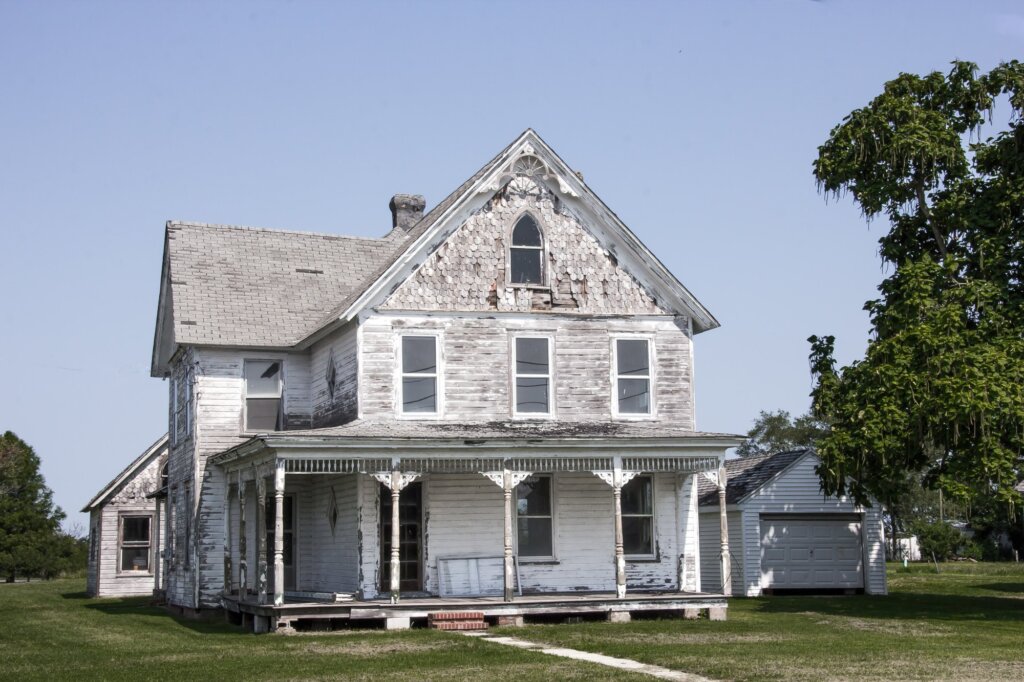
“Poor condition” is not one single thing. It usually means the property has issues that reduce buyer demand, make financing harder, or require significant investment to bring the home up to modern expectations.
Poor Condition vs. Outdated vs. Distressed
A home can be:
- Outdated: older finishes, but systems may function fine.
- Poor condition: multiple issues that need repair, replacement, or remediation.
- Distressed: severe or urgent problems, sometimes tied to legal or financial pressure.
Common Signs of a Poor-Condition House
- Roof leaks or roof nearing the end of its life
- Foundation cracks or settling issues
- Plumbing or electrical problems
- Water damage or mold
- Fire or smoke damage
- Outdated kitchens and bathrooms
- Structural damage
- Code violations
- Vacant or neglected condition
Water damage and mold are especially common in properties with long-term moisture problems. According to the Environmental Protection Agency (EPA), mold typically develops in damp environments caused by leaks, flooding, or high humidity, and it can spread quickly if moisture issues are not addressed.
Many homes in Stafford, TX fall into this category due to age, weather exposure, or deferred maintenance.
Can You Sell a House in Poor Condition in Stafford, TX?
Yes. You can sell a house in poor condition in Stafford, TX. The more important question is: which selling method is realistic for a poor-condition property?
Traditional “retail” selling assumes:
- Buyers will use mortgage financing
- The home will appraise and meet lending standards
- Inspections will not reveal major red flags
- The property can be shown easily and presented well
Poor-condition homes often struggle under those assumptions. That’s why cash sales become especially relevant.
Why Traditional Buyers Often Avoid Poor-Condition Homes
Many buyers rely on financing. Lenders and underwriting standards can limit what kinds of homes qualify.
Common Financing Barriers
- The home may fail lender-required property standards
- Appraisals may be reduced due to condition
- Insurance may be hard or expensive to obtain
- Repairs may be required before closing
- Inspection findings may trigger renegotiations or cancellations
Why “As-Is” Listings Still Get Inspected
Even if you list “as-is,” buyers often:
- Schedule inspections
- Ask for credits or repairs
- Walk away if issues are significant
For a homeowner who wants a predictable result, this can be stressful.
Selling Options for a House in Poor Condition in Stafford, TX
There are multiple ways to sell, but not all are equally practical for a poor-condition home.
Option 1: Traditional Listing (Retail Sale)
A traditional listing may work if the home is only mildly outdated or needs manageable repairs. But major defects often create buyer resistance.
Typical challenges:
- Repairs needed before listing
- Higher likelihood of inspection negotiations
- Longer timelines
- Realtor commission and holding costs
Option 2: Sell As-Is for Cash
This option is designed for homes that need work. No repairs are required, and closings can be much faster.
Option 3: iBuyer-Style Programs
Some programs purchase homes quickly, but they often prefer homes in better condition and may deduct heavily for repairs or decline homes with serious issues.
Option 4: For Sale By Owner (FSBO)
FSBO can save commission, but poor-condition homes often need strong pricing strategy and negotiation skills. You still face inspection and financing challenges.
Comparison Table: Best Ways to Sell a Poor-Condition Home
| Selling Method | Repairs Needed | Time to Sell | Typical Fees | Inspection Risk | Financing Risk | Best For |
|---|---|---|---|---|---|---|
| Traditional Listing | High | Long | High | High | High | Homes with minor issues |
| Cash Sale (As-Is) | None | Fast | Low | Low | Low | Homes with major repairs |
| iBuyer Programs | Moderate | Medium | Medium | Medium | Medium | Cleaner homes in good areas |
| FSBO | Variable | Long | Low | High | High | Experienced sellers |
Why Selling for Cash Is Often the Best Fit for Poor-Condition Homes
Cash sales can remove many obstacles that block a traditional sale.
Major Advantages of a Cash Sale
- No repairs required
- No staging or showings
- Less inspection pressure
- No appraisal delays
- No lender underwriting delays
- Faster timeline
- More predictable closing
When This Matters Most
Cash sales are especially helpful when:
- Repairs are unaffordable
- The home is vacant or deteriorating
- You need to sell quickly
- You want to avoid repeated buyer cancellations
What “Sell for Cash” Usually Means in Real Life
A cash sale typically means:
- The buyer is purchasing without a mortgage
- The buyer can close without lender conditions
- The property is purchased in current condition (“as-is”)
This does not mean you skip legal paperwork. A proper closing still involves standard title and closing procedures.
How to Sell a House in Poor Condition in Stafford, TX for Cash (Step-by-Step)
This section walks through the process from start to finish.
Step 1: Identify Your Goals and Constraints
Before you do anything, decide:
- How quickly do you need to sell?
- Do you need a flexible closing date?
- Are there tenants, occupants, or belongings?
- Are there liens, taxes owed, or probate issues?
Step 2: Gather Key Property Information
You don’t need a perfect file, but having basics helps:
- Property address and type
- Approximate size (square footage if known)
- Number of bedrooms/bathrooms
- Known major issues (roof leak, foundation concerns, etc.)
- Approximate timeline for selling
Step 3: Understand the “As-Is” Concept
“As-is” typically means:
- You are not expected to repair the property
- The buyer is aware the home needs work
- Disclosures still matter (you must be truthful about known issues)
Step 4: Request a Property Evaluation
A cash evaluation often involves:
- Reviewing property details
- Looking at local comparable sales
- Estimating renovation scope
- Considering location and demand
Step 5: Review the Offer Carefully
Focus on:
- Net amount you receive
- Any fees or deductions
- Closing date flexibility
- Whether the offer is contingent on anything significant
- Clarity on what happens to remaining items in the home
Step 6: Confirm Title and Closing Logistics
A typical closing includes:
- Title search
- Payoff statements for liens/mortgage
- Settlement statement review
- Signing closing documents
- Funds disbursed at closing
Step 7: Close and Transfer Ownership
Once closed:
- Ownership transfers
- Funds are paid out
- Any agreed-upon steps (like move-out timing) are completed
Timeline: How Fast Can You Sell a Poor-Condition House for Cash?
Speed can vary by title complexity and your timeline preferences, but cash sales are often much faster than retail.
Typical Timeline Table
| Stage | What Happens | Typical Time |
|---|---|---|
| Initial review | Basic details reviewed | 24–48 hours |
| Offer stage | Offer presented and reviewed | 1–2 days |
| Title process | Title search, payoffs, paperwork | 3–10 days |
| Closing | Signing + funds transfer | 7–21 days |
If there are liens, probate, or multiple owners, the timeline can extend, but cash sales still tend to be faster than traditional selling.
How Cash Offers Are Calculated for Poor-Condition Homes
Understanding how offers are calculated helps you evaluate them confidently.
Key Pricing Concept: After-Repair Value (ARV)
ARV is the estimated market value of a property after repairs and renovations are completed. This value is commonly used by cash buyers to determine how much work a home needs and what it may be worth once improvements are finished. To gain a deeper understanding of how ARV is defined and applied, review the Rocket Mortgage guide on after-repair value (ARV).
Typical Offer Logic (High-Level)
A cash buyer generally considers:
- ARV (after-repair value)
- Estimated renovation costs
- Holding costs (taxes, insurance, utilities, time)
- Risk buffer (unexpected repairs, market changes)
- Target profit margin (for the renovation project)
Common Factors That Influence Your Offer
- Severity of repairs required
- Foundation or roof issues
- Water damage, mold remediation needs
- Permitting and code compliance concerns
- Location desirability within Stafford area
- Ease of resale after renovation
Repair Cost Reality Check: Why Most Sellers Don’t Renovate First
Homeowners often ask: “Should I fix it up first to get more money?”
In some situations, light improvements might help, but major repairs usually create risk.
Why Major Repairs Can Backfire
- Renovation costs are often underestimated
- Delays are common
- Contractor pricing can change
- Permit issues can surface
- You may still face inspection negotiations later
Repairs That Are Usually Not Worth It Before Selling
- Foundation repair (often expensive and unpredictable)
- Full roof replacement
- Full HVAC replacement
- Plumbing re-pipe
- Full kitchen/bath remodel
- Mold remediation without a clear plan
For many Stafford homeowners, selling as-is avoids these financial and project-management burdens.
What You Should Do Instead of Repairs
If you want to improve your results without major expenses, focus on clarity and preparation.
High-Impact Steps That Don’t Require Renovation
- Remove personal valuables and important documents
- Take basic photos for records (optional)
- List known issues honestly
- Organize ownership documents
- Decide what items will stay or go
Selling a House in Poor Condition With Contents Still Inside
Many poor-condition homes also have leftover items, furniture, or debris.
Can You Sell Without Cleaning Everything Out?
In many cases, yes. The key is transparency about:
- The amount of items
- Whether there are hazardous materials
- Whether access is possible for evaluation
Common Situations
- Estate clean-outs not completed
- Hoarding-level contents
- Abandoned tenant belongings
- Garage and shed overload
A cash sale can be a practical solution when clearing out the home is too difficult.
Selling a Poor-Condition House With Tenants in Stafford, TX
If the home is rented or tenant-occupied, selling can still be possible.
Important Considerations
- Lease terms (month-to-month vs fixed lease)
- Tenant cooperation for access
- Property condition due to tenant use
- Required notices under Texas rules (general awareness is helpful)
A cash sale can reduce the need for constant showings, which is often better for tenant situations.
Selling a Poor-Condition House With Legal or Title Complications
Some properties have title-related issues that make selling harder—but not impossible.
Common Title Challenges
- Existing mortgage payoff
- Tax liens or judgment liens
- Unresolved probate
- Multiple owners or inherited ownership
- Missing paperwork or unclear ownership history
What Usually Happens
- Title search identifies issues
- Payoffs and liens are addressed at closing
- Documentation is collected to clear title
The sooner you start the process, the sooner you can learn what needs to be resolved.
Understanding Seller Disclosures in Texas
Even in an as-is cash sale, you generally need to be truthful about known issues.
What You Should Know
- Disclose known material defects honestly
- Do not guess; disclose only what you actually know
- If you are unsure about something, avoid making claims that could be incorrect
Clear disclosures reduce last-minute problems and help keep the selling process smoother.
Learn more about Texas property disclosure requirements by reviewing the Texas Real Estate Commission (TREC) Seller’s Disclosure Notice.
Closing Costs and Fees: What to Expect
Costs vary by transaction details, but it helps to know what typically exists in a standard sale.
Common Closing Items (General)
- Title services
- Recording fees
- Payoff amounts (mortgage, liens)
- Prorated taxes
- Settlement/escrow services
Table: Costs Often Seen in Traditional Listing vs Cash Sale
| Cost Category | Traditional Listing | Cash Sale |
|---|---|---|
| Realtor commissions | Often high | Often none |
| Repairs before sale | Often required | Not required |
| Staging/photography | Common | Usually not needed |
| Holding costs | Longer timeline | Shorter timeline |
| Financing-related delays | Common | Rare |
The biggest “cost” many sellers notice in retail sales is the time and uncertainty, especially with poor-condition homes.
How to Avoid Common Mistakes When Selling a Poor-Condition House
Mistakes usually come from unrealistic expectations or trying to force a retail strategy on a distressed property.
Mistake 1: Spending Money on Major Repairs Without a Plan
Large repairs can consume savings and still not guarantee a traditional buyer.
Mistake 2: Overpricing Based on Renovated Neighborhood Sales
A renovated home down the street is not the same product as a home needing major repairs.
Mistake 3: Ignoring Time Costs
The longer a poor-condition property sits:
- utilities continue
- taxes continue
- deterioration can worsen
- vandalism risk may increase if vacant
Mistake 4: Getting Stuck in Endless Negotiation Cycles
Traditional sales often involve repeated renegotiations after inspections.
Mistake 5: Not Understanding the Offer Terms
Always understand:
- what is included
- what the closing timeline is
- whether the offer has unusual contingencies
Practical Checklist: What to Do Before You Sell
Use this checklist to stay organized.
Pre-Sale Checklist for Stafford, TX Homes in Poor Condition
- Confirm all owners on title
- Locate mortgage or payoff info (if applicable)
- Identify known major issues
- Gather basic property details
- Decide timeline needs (fast close vs flexible)
- Remove personal valuables
- Decide what stays in the house
Frequently Asked Questions
Q. Can I sell my house as-is in Stafford, TX if it needs major repairs?
Yes. In Stafford, TX, homeowners can sell houses as-is even if the property has major issues like foundation damage, roof problems, or outdated systems. Repairs are not required before selling for cash.
Q. Do I need to fix anything before selling a poor-condition house for cash?
No. Cash buyers in Stafford, TX typically purchase properties in their current condition, which means you do not need to make repairs, renovations, or upgrades before selling.
Q. How long does it take to sell a house in poor condition in Stafford, TX?
Most cash sales in Stafford, TX can close within 7 to 21 days, depending on title work and the seller’s preferred timeline.
Q. Can I sell a house with foundation issues or roof leaks in Stafford, TX?
Yes. Houses in Stafford, TX with foundation problems, roof leaks, or water damage are commonly sold as-is through cash transactions.
Q. What if the house is full of unwanted items or debris?
Many poor-condition houses in Stafford, TX can be sold with contents still inside, as long as the condition is clearly disclosed during the selling process.
Q. Can I sell an inherited house in Stafford, TX that needs repairs?
Yes. Inherited houses in Stafford, TX that require repairs are often sold as-is for cash, especially when fixing the property is not practical or cost-effective.
Conclusion
Selling a house in poor condition in Stafford, TX does not have to be complicated, stressful, or expensive. When a property needs major repairs, renovations, or cleanup, choosing the right selling approach makes all the difference. A cash sale allows homeowners to avoid repairs, inspections, financing delays, and long waiting periods, making it a practical solution for homes that are not in ideal condition.
By working with Houston Area Home Cash Buyers, homeowners can sell their property as-is, without making repairs or worrying about the condition of the home. The process is designed to be straightforward, flexible, and efficient, helping sellers move forward on their own timeline. Whether the house has structural issues, outdated systems, or years of deferred maintenance, selling for cash provides clarity, speed, and peace of mind.
If your home in Stafford, TX is in poor condition and you want a reliable way to sell without additional stress or investment, Houston Area Home Cash Buyers offers a clear path forward with a simple and transparent cash-selling process.