

Selling a rundown home in Austin can feel like you’re stuck between two bad options: sink a ton of money into repairs you don’t want to manage, or let the property sit while costs pile up. The good news is there’s a clear third path: sell the home as-is—without renovating, without contractors, and without turning your life into a construction project.
This comprehensive guide walks you through exactly how selling a rundown home without making repairs works in Austin, TX, what to expect at each step, how pricing is determined, what legal disclosures matter in Texas, and how to choose the best route for your situation.
What Counts as a “Rundown Home” in Austin?
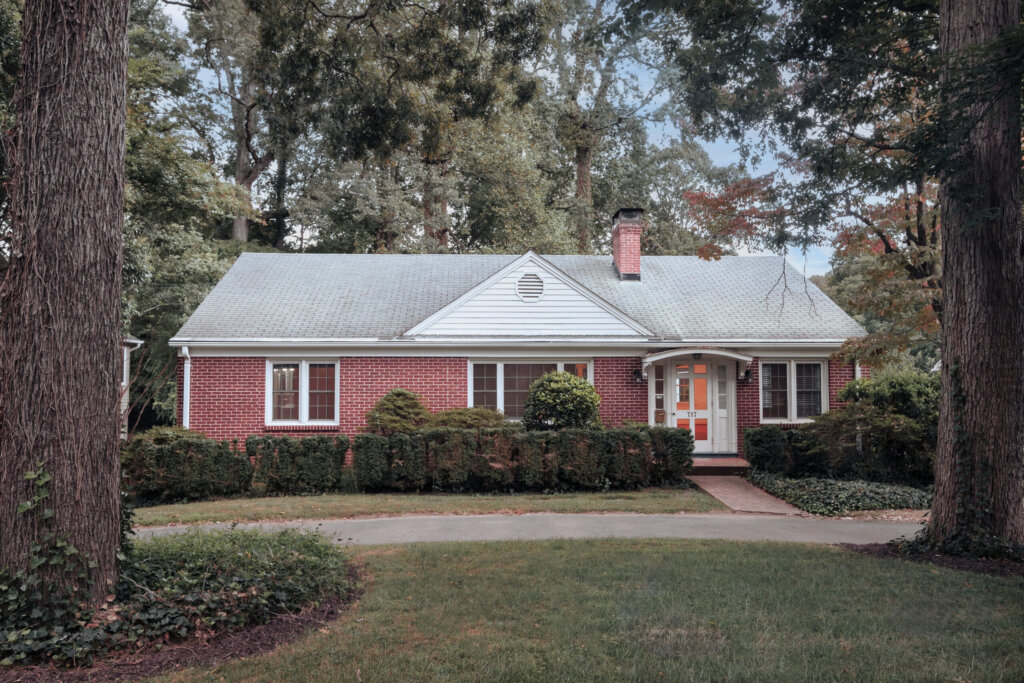
A “rundown” home generally means a property with deferred maintenance, visible wear, outdated systems, or damage that makes it hard to sell to a typical retail buyer without improvements.
Common signs of a rundown home
- Outdated kitchen/bathrooms (older cabinets, counters, fixtures)
- Flooring issues (warped, damaged, stained)
- Roof problems (age, leaks, missing shingles)
- Plumbing issues (old pipes, slow drains, leaks)
- Electrical concerns (older panels, frequent breaker trips)
- HVAC issues (old system, poor performance)
- Foundation movement (cracks, sticking doors, uneven floors)
- Water intrusion, moisture, or past flooding issues
- Mold-like staining or persistent odors
- Pest issues (termites, rodents)
- Code problems or unpermitted additions
- Property left vacant for a long time
In Austin, many homes still attract strong interest because land and location can drive value, even when the structure needs work.
What Does “Selling As-Is” Mean in Texas?
Selling as-is means you sell the property in its current condition, without agreeing to make repairs or improvements as part of the deal. This approach is commonly used for properties that need work and is explained in detail in Zillow’s guide on selling a home as-is.
What “as-is” typically includes
- No repair credits required (unless you voluntarily agree)
- No renovation or upgrades prior to closing
- The buyer accepts the property’s current condition
- Pricing reflects condition, repairs, and risk
What “as-is” does not mean
Selling as-is does not remove your responsibility to be truthful about known issues. Texas still expects sellers to disclose known material defects.
Why Many Austin Sellers Choose “No Repairs” Sales
A rundown home can become a major time-and-money drain. Many homeowners avoid repairs because:
- Repair costs add up fast (especially when multiple systems are outdated)
- Contractors can be hard to schedule
- Hidden problems are common once work begins
- Permits and code compliance can slow projects
- Holding costs (taxes, insurance, utilities) continue each month
- Life events create urgency and reduce time to renovate
Instead of repairing, many sellers prioritize speed, simplicity, and certainty.
Your Main Options to Sell a Rundown Home Without Repairs in Austin
Not all “no repair” sales are the same. Here are the most common routes.
Option 1: Sell as-is to a cash buyer (direct sale)
This is the fastest and simplest “no repairs” route. The buyer evaluates the home based on its current condition and makes an offer without requiring you to renovate.
Typical characteristics
- Minimal showings (often one walk-through)
- Flexible closing date
- Less paperwork and fewer moving parts
- Usually no lender-required repairs
Option 2: List as-is with an agent (still no repairs, but slower)
You can list the home “as-is” on the MLS, but traditional buyers often use financing—which can create issues if the property condition doesn’t meet lender standards.
Typical characteristics
- More showings, cleaning pressure, and buyer questions
- Inspection negotiations are common
- Financing may fall through if the home won’t qualify
- Longer timelines
Option 3: Sell to a local investor (may be cash or hard money)
Some investors buy distressed properties. Similar to cash buyers, but terms and timelines vary.
Option 4: Sell to a builder (teardown or redevelopment play)
If the lot and zoning are valuable, a builder might buy it for redevelopment. Condition matters less if the structure is being replaced, but the offer depends heavily on land value and feasibility.
Selling As-Is vs Repairing Before Selling (Austin Comparison)
| Factor | Sell As-Is (No Repairs) | Repair Before Selling |
|---|---|---|
| Upfront cost | Typically none | Often high |
| Time | Faster | Slower |
| Stress and coordination | Low | High |
| Risk of surprise issues | Lower | Higher |
| Buyer pool | Investors/cash buyers + some as-is retail | Wider retail pool |
| Financing hurdles | Fewer | More |
| Potential sale price | Lower than fully renovated retail | Higher if done well |
A key point: “repair to get top dollar” only works when repairs are well-managed, correctly priced, and finished quickly—and when the market supports that premium.
Step-by-Step: How to Sell a Rundown Home Without Repairs in Austin, TX
Step 1: Identify your goals and constraints
Ask yourself:
- Do I need to sell fast, or is time flexible?
- Do I want minimal showings?
- Do I need a specific closing date?
- Is the home vacant, occupied, or tenant-occupied?
- Do I want to avoid negotiations?
Your ideal route depends on your timeline and tolerance for complexity.
Step 2: Know the property’s current reality (without overthinking it)
You don’t need a full renovation plan. But it helps to note major issues honestly.
Quick rundown-home condition checklist
- Roof age / visible leaks
- HVAC age / performance
- Electrical panel age / known problems
- Plumbing leaks / sewer issues
- Foundation movement signs
- Water intrusion or drainage problems
- Mold or moisture signs
- Termites/pests history
- Unpermitted additions or conversions
- Code violations (if any)
- Occupancy status (vacant/occupied)
This list helps you answer questions clearly and avoid confusion later.
Step 3: Understand what buyers mean by “rundown” (repair categories)
Buyers often think in tiers:
| Repair category | Examples | Impact on offer |
|---|---|---|
| Cosmetic | paint, flooring, outdated fixtures | Moderate |
| System upgrades | HVAC, plumbing, electrical panel | High |
| Structural | foundation, roof structure, framing | Very high |
| Environmental | mold remediation, major water damage | High |
| Legal/code | unpermitted work, open permits, violations | High |
Knowing which category your home fits into helps you understand pricing.
Step 4: Price expectations (how as-is value is calculated)
As-is offers usually follow a practical formula:
After-Repair Value (ARV)
minus repair costs
minus holding costs + resale costs
minus risk buffer
= as-is offer range
What “repair costs” often include
- Labor and materials
- Permit and inspection fees
- Disposal/dump fees
- General contractor overhead
- Contingency budget for surprises
What “holding + resale costs” can include
- Property taxes, insurance, utilities
- Financing costs (if applicable)
- Selling costs later (closing costs, commissions if listing)
Why a “risk buffer” exists
Rundown homes often hide issues behind walls, under floors, or in the foundation. Buyers factor that risk into their numbers.
Step 5: Choose the best selling path for your condition and timeline
A practical decision guide
| If your priority is… | Best-fit route |
|---|---|
| Fastest sale with minimal friction | Direct cash as-is sale |
| Maximum exposure and you can handle showings | MLS listing as-is |
| Lot value/redevelopment potential | Builder/developer outreach |
| Unique situation (tenants, probate, heavy damage) | Direct as-is sale or investor route |
Step 6: Prepare the home (without repairing it)
You don’t need to renovate, but a little organization helps.
“No repairs” prep checklist
- Remove obvious trash (if you can)
- Collect important paperwork (survey, tax info, HOA info)
- Secure valuables
- Make access easy (gate codes, lockbox, keys)
- Photograph major areas for documentation
- If vacant, confirm utilities status for walk-throughs (optional)
Important: cleaning and junk removal are often optional in as-is deals, but removing hazards can reduce friction.
Step 7: Handle the walkthrough and evaluation
In as-is sales, the walkthrough is usually about:
- Confirming layout and condition
- Estimating repairs
- Checking major systems visually
- Reviewing foundation/roof indicators
- Assessing access and safety
You typically don’t need to be an expert—just be clear about what you know.
Step 8: Review the offer like a pro (not just the price)
A higher number is not always the better deal if the terms are shaky.
Offer comparison table
| Offer item | Why it matters |
|---|---|
| Purchase price | Obvious, but not the only factor |
| Proof of funds | Signals ability to close |
| Earnest money | Shows commitment |
| Inspection period | Long periods can create uncertainty |
| Closing date flexibility | Helps you move on your timeline |
| Fees and credits | Impacts your net proceeds |
| Who pays closing costs | Changes your bottom line |
| Contingencies | Fewer contingencies usually means smoother closing |
Step 9: Contract basics (Austin/Texas context)
Texas real estate deals often use standardized forms, but terms vary.
Key terms to understand:
- Option period (time the buyer can back out, usually with a fee)
- Earnest money (deposit showing intent)
- Title company (handles escrow, title search, closing)
- Closing disclosure / settlement statement (shows final numbers)
If something feels unclear, ask the title company or a real estate attorney to explain the line items.
Step 10: Closing day: what actually happens
At closing, you typically:
- Sign documents (in person or remote, depending on setup)
- Confirm final settlement figures
- Transfer keys/access
- Receive proceeds via wire or check
As-is closings can be straightforward because there are fewer repair negotiations.
What If the Home Has Major Problems? (And You Still Want No Repairs)
Many Austin homeowners assume certain issues make a home “unsellable.” In reality, the path just changes slightly depending on the problem.
Selling a house with foundation issues
- Expect buyers to price repairs and risk, as explained in Realtor.com’s guide on selling a house with foundation issues.
- Provide any prior foundation reports if you have them (optional but helpful)
- Be cautious with partial DIY fixes that raise questions
Selling a house with mold or moisture issues
- Moisture source matters (roof leak vs plumbing vs drainage)
- Buyers may budget for remediation + repairs + prevention
- Clear disclosure of known past events reduces surprises
Selling a house with roof damage
- Roof condition impacts valuation heavily
- Buyers estimate full replacement more often than patching
- Storm-related damage may intersect with insurance claims (if applicable)
Selling a house with code violations or unpermitted work
- Unpermitted conversions (garage, additions) can complicate financing
- Many as-is buyers can still purchase, but price reflects legal risk
- If you have permits or documents, keep them available
Selling a vacant home
Vacant properties can deteriorate quickly. As-is sales are common for:
- Long-vacant homes with deferred maintenance
- Homes needing cleanup and reactivation of systems
- Properties with vandalism or weather exposure
Selling with tenants in place
This is a common Austin scenario for landlords.
- Lease terms matter
- Access for walkthroughs must be coordinated
- Buyers may prefer inherited tenants or request vacancy at closing
- Clear communication reduces conflict
Documents You May Need (Or Be Asked For)
You won’t always need all of these, but having them ready can speed things up.
Common documents list
- Government-issued ID
- Existing survey (if available)
- HOA information (if applicable)
- Recent property tax statement
- Mortgage payoff information (if you have a loan)
- Utility info (optional)
- Any past repair invoices or reports (optional)
- Probate documents (if inherited property)
When a survey matters
If a buyer requests a survey and you don’t have one, the title company can often help coordinate. Surveys are more common when boundary questions exist.
Texas Seller Disclosures (Important Even in As-Is Sales)
Selling as-is does not eliminate disclosure responsibilities. In Texas, sellers are still expected to provide honest and accurate information about known property conditions by completing the official Texas Seller’s Disclosure Notice, as required by state law. This disclosure helps buyers understand material issues such as structural problems, roof damage, water intrusion, and other known defects before completing the purchase.
What sellers typically disclose (if known)
- Structural issues and foundation movement
- Roof leaks or known damage
- Plumbing leaks or sewer issues
- Electrical defects
- Termites/pest history
- Flooding/water intrusion history
- Environmental hazards (if known)
- HOA restrictions or disputes (if relevant)
The key is honesty about known conditions, not perfection.
Costs You Avoid When You Don’t Repair (And Costs You Still Might Face)
Costs often avoided in a no-repairs sale
- Renovation labor and materials
- Permit and inspection management
- Contractor coordination stress
- Staging costs
- Ongoing project delays
Costs you may still face
- Mortgage payoff (if financed)
- Standard closing costs (varies by deal)
- Property taxes (prorated at closing)
- Title-related charges (handled through closing)
- HOA fees (if applicable)
A major benefit of as-is selling is you can often reduce holding time—meaning fewer months of taxes, insurance, and utilities.
How to Maximize Your Outcome Without Doing Repairs
You can keep the home as-is and still improve the result by focusing on clarity and leverage.
1) Get multiple offers (even if you prefer the simplest route)
Comparing a few offers helps you understand your true range and negotiate from a stronger position.
2) Compare offers by net proceeds, not headline price
Ask for a breakdown of:
- Fees
- Closing costs responsibility
- Credits requested
- Timeline reliability
3) Be clear about the condition (without oversharing speculation)
It’s fine to say:
- “The roof is older and has had leaks.”
- “The foundation has cracks and doors stick.”
What you want to avoid is guessing causes if you truly don’t know.
4) Avoid partial repairs that make the situation messier
Half-finished remodels, incomplete DIY electrical work, or patch jobs can create buyer uncertainty. Many buyers prefer a clean “as-is” reality they can plan around.
5) Present the property as a straightforward project
Simple steps like safe access, basic organization, and available documents can reduce friction and help the deal move faster.
Austin-Specific Considerations That Affect As-Is Sales
Austin real estate can vary widely by micro-location, lot value, and redevelopment potential. Even rundown properties may draw interest depending on:
- Neighborhood demand
- School zones
- Proximity to major employers and corridors
- Lot size, zoning, and redevelopment feasibility
- Shortage of updated inventory in certain pockets
Why location can outweigh condition in Austin
In some areas, buyers evaluate the purchase as:
- land value + redevelopment rather than “move-in-ready home value.”
That’s why two similarly rundown homes can have very different outcomes depending on location, lot, and future use.
Timelines: How Long Does It Take to Sell As-Is in Austin?
Timelines depend on route.
Typical timeline ranges
| Route | Typical timeline |
|---|---|
| Direct cash as-is sale | Days to a few weeks |
| Investor purchase | Days to a few weeks |
| MLS listing as-is | Weeks to months |
| Builder/developer sale | Varies (can be fast, can be slow) |
Your timeline also depends on:
- Access for walkthroughs
- Title readiness
- Occupancy/tenant situation
- Inheritance/probate complexity (if applicable)
Frequently Asked Questions
Q. Can I sell a rundown house in Austin, TX without making repairs?
Yes. In Austin, TX, rundown homes can be sold as-is, meaning the seller is not required to complete any repairs or renovations before closing.
Q. Do I need to clean out a rundown home before selling it as-is?
No. When selling a home as-is, cleaning and junk removal are often not required, depending on the terms agreed upon with the buyer.
Q. Will a buyer inspect a rundown home sold as-is in Austin?
Yes. Buyers may inspect the property to understand its condition, but sellers are typically not obligated to make repairs based on the inspection results.
Q. Can I sell a house with foundation problems in Austin, TX?
Yes. Homes with foundation issues can be sold as-is in Austin, TX, with the price adjusted to reflect repair costs and associated risks.
Q. How is the price determined for a rundown home sold as-is?
The price is usually based on the home’s location, current condition, estimated repair costs, and recent comparable sales in the area.
Q. Can I sell an inherited rundown home in Austin, TX?
Yes. Inherited rundown homes in Austin, TX can be sold as-is, even if no repairs, updates, or cleanout have been completed.
Final Thoughts: A Practical Way to Sell Without Repairs in Austin
Selling a rundown home without making repairs in Austin, TX is not a compromise—it’s a strategic and practical decision for many homeowners. When repairs feel overwhelming, expensive, or time-consuming, choosing an as-is sale allows you to move forward without the burden of renovations, contractors, or prolonged uncertainty.
Whether your property needs minor updates or major structural work, understanding your options puts you back in control. By focusing on transparency, realistic pricing, and clear terms, homeowners can avoid unnecessary stress and make confident decisions that fit their timeline and goals.
At Houston Area Home Cash Buyers, the focus is on providing a straightforward and respectful selling experience for homeowners who want simplicity and clarity. Selling a home as-is can offer speed, flexibility, and peace of mind—especially when the priority is to avoid repairs and move on with confidence.