
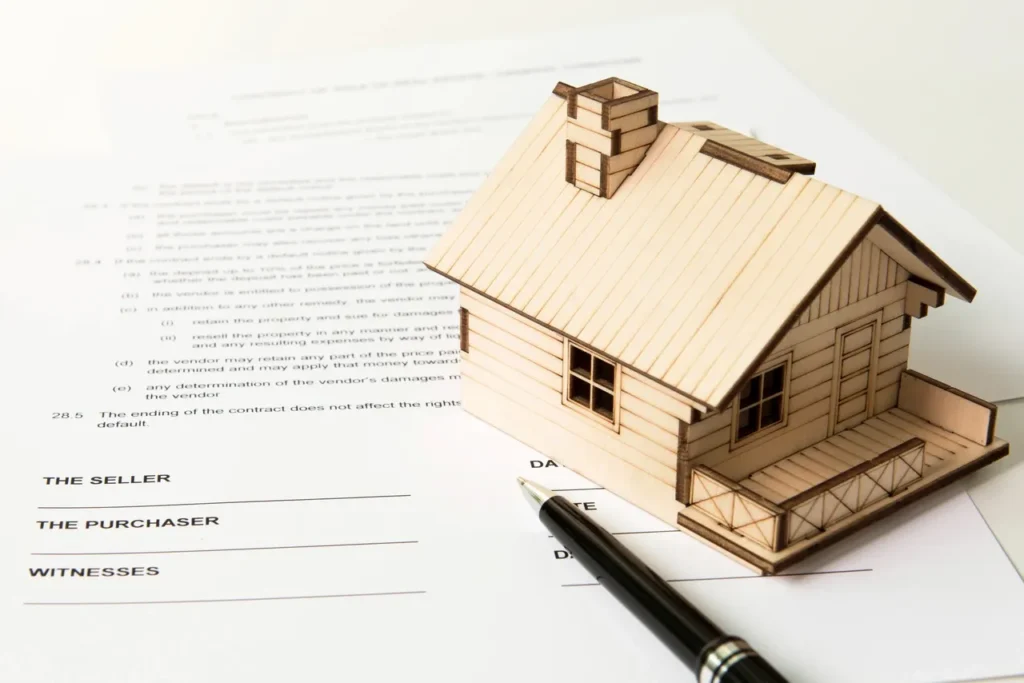
Selling a rental property in Houston, TX usually requires more paperwork than selling a regular owner-occupied home. You may need ownership records, mortgage payoff information, lease documents, rent payment history, security deposit records, property tax statements, seller disclosures, repair records, HOA documents, insurance details, and closing paperwork. If the property has tenants, the lease and tenant-related records become especially important.
A rental property is not just a house. It is also an income-producing asset. That means buyers may want to understand the property’s condition, rental income, tenant status, monthly expenses, and legal obligations before closing. Preparing these documents early can make the sale smoother, reduce buyer concerns, and help avoid delays at the title company.
Quick Checklist: Documents Needed to Sell a Rental Property in Houston
| Document | Why It Matters |
|---|---|
| Deed or ownership records | Shows who legally owns the property |
| Mortgage payoff statement | Confirms how much must be paid to release the loan |
| Property tax statement | Shows taxes owed, paid, or prorated at closing |
| Lease agreement | Confirms tenant rights, rent amount, and lease term |
| Rent ledger | Shows payment history and rental income |
| Security deposit record | Shows the amount that may transfer to the buyer |
| Seller disclosure | Shares known property condition details |
| Repair and maintenance records | Helps explain the condition of the property |
| HOA documents | Shows dues, rules, violations, and transfer fees |
| Closing documents | Final paperwork used to complete the sale |
Why Rental Property Sales Need Extra Paperwork
Selling a rental house is different from selling your personal home because the buyer may be taking over an active lease, existing tenants, security deposits, property expenses, and maintenance responsibilities.
For example, a buyer may ask:
- How much rent does the tenant pay?
- When does the lease end?
- Is the tenant current or behind on rent?
- How much security deposit was collected?
- Are there repairs, liens, tax issues, or HOA problems?
- Are utilities paid by the landlord or tenant?
- Has the property had flood, roof, plumbing, foundation, or electrical issues?
The more organized your documents are, the easier it is for a buyer to review the property and move toward closing. Missing paperwork does not always stop a sale, but it can create doubt, slow down title review, or lead to more questions during negotiation.
Proof of Ownership Documents
The first group of documents proves that you have the right to sell the property. In most Houston rental property sales, the title company will verify ownership, but it still helps to have your records ready.
Deed or Title Records
The deed shows how the property is legally owned. It may show whether the property is owned by one person, multiple people, a married couple, an LLC, a trust, or an estate.
You may not need to hand the buyer your deed directly, but the title company will review title records to confirm ownership and check for problems.
Legal Property Description
The legal description is not always the same as the street address. It may include lot, block, subdivision, or survey information. This information is usually found in title records, old closing documents, tax records, or the deed.
Previous Closing Statement
Your previous closing statement may help show when you purchased the rental property, what you paid, and whether there were prior title or loan details. This can be useful for your records, tax preparation, or title review.
Mortgage and Payoff Documents
If you still owe money on the rental property, you will need loan-related documents before closing. The sale cannot be completed cleanly unless the existing mortgage and any other liens are handled.
Mortgage Payoff Statement
A mortgage payoff statement shows the exact amount needed to pay off your loan by a certain date. This amount may be different from your normal loan balance because it can include interest, fees, or other charges.
The title company often requests the official payoff directly from the lender, but you should still know who your lender is and have your loan information ready.
Second Mortgage, HELOC, or Private Loan Records
If the rental property has a second mortgage, home equity line of credit, private loan, or investor lien, gather those records too. Any debt tied to the property may need to be paid or released before the buyer receives clear title.
Property Tax Documents in Houston
Property taxes are a major part of a real estate closing in Houston. Before selling, gather the most recent property tax statement and any payment receipts you have.
Houston-area properties may fall under Harris County or another nearby county, depending on the exact location. Many sellers use county tax office records and appraisal district records to confirm account numbers, tax history, assessed value, and payment status.
Property Tax Statement
A property tax statement shows the amount billed for the year. If taxes are unpaid, they may need to be paid at closing. If taxes were already paid, the buyer and seller may receive prorated credits based on the closing date.
Tax Receipts
If you already paid the current year’s property taxes, keep proof of payment. This can help prevent confusion during closing.
Appraisal District Record
The appraisal district record may show the property ID, assessed value, building details, land size, ownership history, and exemption status. This is not the same as a home inspection or market appraisal, but buyers may review it while evaluating the property.
Lease and Tenant Documents
Lease documents are often the most important paperwork when selling a tenant-occupied rental property. A buyer wants to know what rental agreement they may inherit after closing.
If you are still learning the full process beyond paperwork, review How to Sell a Rental Property in Houston, TX to understand how tenants, lease terms, pricing, and closing steps may affect the sale.
Current Lease Agreement
The current signed lease should include the rent amount, lease start date, lease end date, security deposit, pet terms, late fees, renewal options, maintenance responsibilities, and rules for access to the property.
Provide the full lease, not just a summary. If there are multiple tenants, make sure all signed pages and addenda are included.
Lease Renewal or Extension
If the lease was renewed, extended, or changed, include the renewal paperwork. A buyer needs to know whether the tenant is on a fixed-term lease, month-to-month agreement, or extended rental term.
Lease Amendments
Any written changes to the original lease should be included. This may involve rent increases, pet approval, added occupants, payment plans, parking changes, or maintenance agreements.
Tenant Contact Information
After closing, the new owner may need to contact the tenant about rent payments, repairs, notices, or deposit responsibility. Prepare the tenant’s name, phone number, email address, and move-in date.
Tenant and Rent Documents Buyers May Ask For
| Document | What It Shows | Why Buyers Care |
|---|---|---|
| Current lease | Rent, lease term, tenant rules | Shows the legal rental arrangement |
| Rent ledger | Payment history | Helps confirm tenant reliability |
| Security deposit record | Deposit amount held | Helps transfer deposit responsibility |
| Move-in checklist | Original condition | Helps compare future damages |
| Tenant notices | Past or pending communication | Shows current tenant issues |
| Pet agreement | Pet rules and fees | Explains extra occupancy terms |
| Property management statement | Income and expenses | Helps investors review performance |
Rent Ledger and Income Records
A rental property buyer will usually care about income. Even if the property needs repairs, the rent history can help the buyer understand value and risk.
Rent Roll
A rent roll is a simple summary of rental income. It usually includes tenant name, monthly rent, lease start date, lease end date, deposit amount, and payment status.
If you own more than one rental property, a rent roll is especially useful. For a single rental house, it still helps keep everything clear.
Rent Payment Ledger
A rent ledger shows when rent was paid and whether the tenant is current or behind. It can include rent payments, late fees, partial payments, unpaid rent, and returned payments.
A clean rent ledger can make the property more attractive. A messy or incomplete ledger may lead to extra buyer questions.
Bank Statements or Property Management Reports
Some buyers may ask for bank records or management statements to verify rent deposits. You do not always need to share personal bank details early in the process, but you should have proof of rental income available if needed.
Security Deposit Records
Security deposit paperwork is very important when selling a rental property with tenants. The buyer needs to know how much deposit was collected and whether that money will transfer at closing. In Texas, Texas Property Code Section 92.105 explains how security deposit responsibility may be handled when an owner’s interest in a rental property ends.
Your records should show:
- Security deposit amount
- Pet deposit, if any
- Move-in condition report
- Any deductions already made
- Any pending tenant dispute
- Whether the deposit is being credited to the buyer at closing
This protects the seller, buyer, and tenant from confusion after the sale.
Seller Disclosure and Property Condition Documents
Property condition records help the buyer understand what they are buying. Even in an as-is sale, buyers often want to know about known issues.
Seller’s Disclosure Notice
For many previously occupied residential property sales in Texas, a seller disclosure may be required. The Texas Real Estate Commission Seller’s Disclosure Notice is a useful resource for understanding the type of property condition information sellers may need to provide.
This document generally covers known material facts and the physical condition of the property. A rental property owner should be careful and honest when completing disclosures. If you are unsure whether a disclosure is required for your situation, ask a title company, real estate attorney, or licensed professional.
Repair and Maintenance Records
Gather invoices, receipts, warranties, and contractor records for major repairs or improvements. This may include roof work, HVAC replacement, plumbing repairs, electrical work, foundation repair, water damage cleanup, pest treatment, or appliance replacement.
These records help answer buyer questions and may support your asking price or cash offer negotiation.
Inspection Reports
If the property was inspected recently, keep a copy of the inspection report. You should also keep any follow-up repair records connected to that inspection.
Insurance and Damage History
Houston buyers often care about storm damage, roof leaks, flooding, foundation movement, plumbing problems, and water intrusion. If the rental property had an insurance claim, organize the claim records and repair proof.
You may need:
- Landlord insurance policy information
- Insurance claim records
- Roof repair records
- Flood-related documents
- Water damage remediation invoices
- Fire or storm repair receipts
- Before-and-after photos
Being prepared does not mean the property must be perfect. It means you can explain the property clearly.
HOA and Community Documents
If the rental property is in a homeowners association, HOA paperwork can be important. Some associations have rental rules, transfer fees, unpaid dues, violation notices, or resale certificate requirements.
Gather HOA documents early because missing HOA paperwork can slow down closing.
HOA Rules and Restrictions
The buyer may want to know whether the HOA allows rentals, short-term rentals, pets, parking, exterior changes, or certain tenant uses.
HOA Dues and Balances
If HOA dues are unpaid, they may need to be settled at closing. If there are special assessments, the buyer may ask who is responsible for them.
HOA Violations
Pending violations should be disclosed and addressed. Examples may include lawn issues, exterior repairs, trash, parking problems, or unauthorized improvements.
Operating Expense Documents
Rental buyers often want to understand the real cost of owning the property. This is especially true for investors.
Utility Bills
Gather water, gas, electric, trash, sewer, and other utility records if you pay any of them as the landlord.
If tenants pay utilities directly, make that clear.
Maintenance and Service Contracts
Include lawn care, pest control, pool service, HVAC maintenance, appliance service, or property management records.
Property Management Agreement
If a property manager handles the rental, include the agreement, fees, cancellation terms, tenant communication records, and recent owner statements.
Special Situation Documents
Some rental property sales need extra paperwork because of ownership, legal, or financial issues.
| Situation | Extra Documents You May Need |
|---|---|
| Property owned by an LLC | Operating agreement, signing authority, company resolution |
| Inherited rental property | Probate documents, death certificate, heirship documents |
| Divorce-related sale | Divorce decree, court order, spouse approval if required |
| Multiple owners | Approval and signatures from all owners |
| Out-of-state owner | Remote notary or mail-away closing paperwork |
| Property with liens | Payoff statement, lien release, tax records |
| Tenant-occupied sale | Lease, rent ledger, deposit record, tenant notices |
Closing Documents Needed to Complete the Sale
The final documents are usually prepared by the title company, buyer, seller, and closing team. These documents may include the purchase agreement, title commitment, settlement statement, deed transfer documents, tax prorations, payoff statements, and signed closing package.
Before closing, make sure you understand:
- Final sale price
- Loan payoff
- Closing costs
- Tax prorations
- HOA fees
- Security deposit transfer
- Rent proration
- Any repair credits
- Your final net proceeds
What If You Are Missing Some Documents?
Missing documents do not always mean you cannot sell the rental property. However, missing paperwork can create delays or reduce buyer confidence.
If you lost the lease, check email records, property management files, tenant copies, cloud storage, or old text/email attachments. If you cannot find tax records, search county tax office records. If you lost repair receipts, contact contractors, warranty companies, or insurance providers.
The key is to be honest about what you have and what you do not have.
FAQs
Q. What documents do I need to sell a rental property in Houston, TX?
You may need ownership records, mortgage payoff information, property tax statements, the current lease, rent ledger, security deposit records, seller disclosure, repair records, HOA documents, and closing paperwork. If tenants live in the property, lease and rent records are especially important.
Q. Can I sell a rental property in Houston with tenants still living there?
Yes, you can sell a rental property in Houston with tenants in place. The buyer will usually want to review the lease, rent payment history, security deposit details, and any tenant notices before closing.
Q. Do I need a lease agreement to sell a tenant-occupied rental property in Texas?
Yes, the lease agreement is one of the most important documents for a tenant-occupied rental property. It shows the rent amount, lease term, tenant rights, deposit amount, and landlord responsibilities.
Q. What if I lost the lease before selling my Houston rental property?
You may still be able to sell the property, but you should try to recover the lease from email records, the tenant, a property manager, or old files. If no written lease exists, clearly document the current rental terms before selling.
Q. What happens to the tenant’s security deposit when I sell a rental property in Texas?
The security deposit should be clearly documented before closing. In many rental property sales, the deposit amount is transferred or credited to the buyer so the new owner knows what may be owed to the tenant later.
Q. What documents do cash buyers need for a Houston rental property sale?
Cash buyers usually want ownership records, title information, property tax details, lease documents, rent history, security deposit records, and basic property condition details. A cash sale may be simpler, but tenant and title documents still matter.
Final Checklist Before Selling a Houston Rental Property
Before you sell a rental property in Houston, gather your ownership records, mortgage payoff details, property tax statement, current lease, rent ledger, security deposit records, seller disclosure, repair history, HOA documents, utility bills, insurance information, and closing documents.
If the home is tenant-occupied, start with the lease, rent history, deposit records, and tenant notices. These documents help the buyer understand the rental agreement, tenant responsibilities, income history, and what they may be taking over after closing.
Selling a rental property can feel paperwork-heavy, especially if the house has tenants, repairs, unpaid expenses, or missing records. But having your documents ready can make the process faster, clearer, and less stressful.
If you want to sell your Houston rental property without repairs, showings, long delays, or complicated listing steps, Houston Area Home Cash Buyers can help you review your situation and explore a simpler cash sale option. With the right paperwork and a clear selling plan, you can move forward with more confidence and less hassle.