
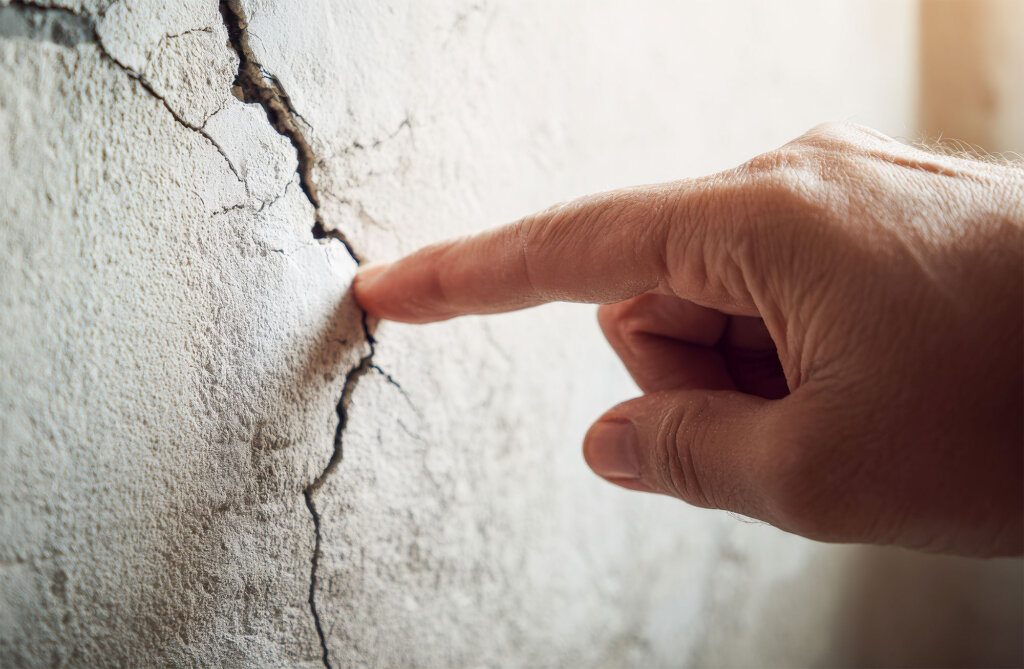
A house with structural damage is not automatically unsellable in Houston. But it does change how buyers, lenders, inspectors, insurance companies, and title professionals view the property.
For some homeowners, repairing the damage before listing makes sense. For others, especially when the house has foundation movement, roof framing issues, flood-related deterioration, termite damage, or unsafe conditions, selling as-is may be the more practical path.
The answer usually comes down to three things: how serious the damage is, whether the home can pass buyer financing, and how much time or money the owner wants to put into the sale.
If your house needs more than structural work, you may also find this guide helpful: sell a Houston house that needs major repairs.
Quick Answer
Yes, you can sell a house with structural damage in Houston, TX. Your main options are repairing before listing, listing the property as-is, selling to an investor, or comparing an as-is cash offer. The more uncertainty a buyer takes on, the more that risk usually affects the offer.
What Counts as Structural Damage?
Structural damage usually means a problem affects the parts of the house that support, stabilize, or protect the property.
In Houston-area homes, this may include:
- Slab foundation movement
- Pier-and-beam deterioration
- Load-bearing wall problems
- Sagging floors
- Roof framing damage
- Termite or wood-destroying insect damage
- Rotten subfloors or floor joists
- Fire damage affecting framing
- Flood or storm damage behind walls
- Drainage problems that continue to affect the foundation
Some warning signs are easy to see, such as a leaning wall, sagging roofline, or uneven floors. Others are more subtle: sticking doors, stair-step brick cracks, gaps around windows, cracked tile, or baseboards pulling away from the floor.
Not every crack means the home has a major structural defect. But if the issue affects safety, financing, insurability, or buyer confidence, it becomes an important selling issue.
Why Houston Homes Often Develop Structural Problems
Houston properties face a mix of local conditions that can make structural concerns more common.
Many homes sit on slab foundations, and soil movement can create stress over time. Long dry periods followed by heavy rain can make foundation movement more noticeable. The University of Houston has described expansive soils as a major foundation design and construction concern because they can change volume when moisture levels change. University of Houston foundation design workshop
Older homes in neighborhoods such as the Heights, East End, Montrose, Third Ward, and other inner-loop areas may also have pier-and-beam foundations. These houses can have sagging floors, deteriorated beams, moisture under the home, termite damage, or undocumented past repairs.
Drainage is another major issue. Negative grading, clogged gutters, poor downspout placement, standing water near the slab, and broken underground drainage can all contribute to foundation stress.
Flood history can also complicate a sale. In Houston, water damage is not always limited to flooring and drywall. Past flooding or repeated water intrusion may affect subfloors, wall framing, insulation, electrical components, and long-term buyer confidence. Homeowners can look up official flood map information through the FEMA Flood Map Service Center. Harris County homeowners may also review local floodplain context through the Harris County Flood Education Mapping Tool.
Can You Sell a Structurally Damaged House As-Is in Houston?
Yes. Many structurally damaged houses in Houston can be sold as-is.
“As-is” usually means the seller is not agreeing to make repairs before closing. However, it does not mean the seller should ignore known defects. Texas sellers should be careful about disclosure obligations, especially when the house has foundation movement, water damage, roof problems, prior repairs, termite damage, or other known structural concerns.
The Texas Real Estate Commission Seller’s Disclosure Notice includes information related to the physical condition of a property. The related Texas statute is Texas Property Code Section 5.008.
This article is general homeowner education, not legal, tax, engineering, insurance, or financial advice. If your property has serious structural damage, code notices, liens, title problems, open insurance claims, or a dispute about repairs, speak with the right professional before signing a contract.
What Buyers Worry About When a House Has Structural Damage
A structurally damaged house is different from a normal fixer-upper. Buyers are not only asking, “Can this be repaired?” They are asking, “How much risk am I taking on?”
Is the problem active or already repaired?
A foundation that was repaired with documentation is different from an active foundation problem with no report, no warranty, and visible movement throughout the house.
Buyers may ask whether the foundation was repaired, who completed the work, whether a warranty transfers, and whether movement has continued since the repair.
Is there documentation or only a guess?
A seller may know the floors slope but not know why. A buyer may want an inspector, foundation company, structural engineer, or contractor to review the issue before moving forward.
That does not mean every seller must pay for every report. But the less documentation there is, the more uncertainty a buyer may price into the offer.
Was plumbing checked after foundation movement?
In many Houston slab homes, foundation movement can raise questions about underground plumbing. Buyers may worry about drain line cracks, leaks, or sewer issues after significant shifting.
Did a roof leak become a framing problem?
A missing shingle is one issue. A long-term roof leak that reaches attic framing, ceiling joists, insulation, or walls is a bigger concern.
Buyers may look for sagging roof lines, soft decking, water-stained rafters, ceiling stains, mold-like growth, or electrical issues near water intrusion.
Can the house qualify for traditional financing?
Serious structural, roof, safety, electrical, plumbing, or water-damage issues can make traditional financing harder. If financing becomes difficult, the likely buyer pool may shift toward cash buyers, investors, contractors, landlords, or renovation-focused buyers.
Which Selling Path Fits Your Situation?
Instead of asking, “What would this house be worth if it were perfect?” start with a more useful question:
“What is the smartest decision based on the house I actually have, the repairs it actually needs, and the timeline I actually have?”
| Situation | Usually Worth Considering |
|---|---|
| Minor cracks, no major movement, and plenty of time | Inspection, selected repairs, then agent listing |
| Major slab movement and no repair budget | As-is listing or cash buyer comparison |
| Older pier-and-beam home with sagging floors | Contractor review, investor sale, or specialized as-is listing |
| Flood history plus structural concerns | Flood-risk review, insurance document review, as-is sale comparison |
| Inherited house with multiple major repairs | Estate-guided sale, as-is listing, or direct buyer |
| Unsafe, vacant, or difficult-to-show property | Code-status review, contractor estimate, or direct as-is buyer |
| House with open permits or code violations | Local office/title review, repair path, or buyer familiar with code issues |
| Tenant-occupied rental with damage | Lease review, investor buyer, or landlord-oriented sale strategy |
This framework is stronger than assuming one selling method is best for every damaged house.
Repair Before Listing or Sell As-Is?
Repairing before listing can make sense when the damage is limited, the cost is manageable, and the home could attract strong retail interest after repairs.
This may be the better path if you have reliable contractors, enough time, and confidence that the repair will increase your net proceeds. But structural repairs can grow. Foundation work may lead to plumbing checks, drainage corrections, drywall repair, tile replacement, and cosmetic updates.
Selling as-is may make more sense when the damage is serious, the house is difficult to show, buyer financing may be a problem, or you do not want to manage contractors.
An as-is listing with a real estate agent can provide MLS exposure, but buyers may still ask for inspections, repair credits, price reductions, or contract protections. A direct sale to a cash buyer may be simpler, but the offer will usually reflect repair costs, risk, holding time, and the property’s condition today.
Houston Area Home Cash Buyers helps homeowners review as-is options for properties with major repairs, foundation issues, storm damage, flood damage, code problems, inherited-property complications, vacant houses, and other difficult situations. You can learn more about the process here: Selling Your House in Houston – How It Works.
Houston-Specific Examples
These are hypothetical examples, not customer stories. They show how different Houston-area property situations can affect the selling decision.
Meyerland-area house with prior flooding and slab movement
A homeowner has a house with previous water intrusion, replaced flooring, and new interior paint. But doors still stick, the slab is uneven, and cracks are visible near windows.
In this case, buyers may ask about flood history, drainage, foundation movement, insurance claims, and hidden repairs behind the walls. The owner may want to compare repair estimates, an as-is listing, and a direct cash offer before spending more money.
Pasadena rental with roof leaks and tenant wear
A rental property has long-term tenant wear, an aging roof, ceiling stains, and possible attic framing concerns. The owner lives outside the area and does not want to manage contractors between tenants.
A traditional buyer may hesitate because of roof, occupancy, and repair uncertainty. A landlord, investor, or direct buyer may be more comfortable evaluating the property as-is.
Cypress or Katy vacant home with drainage and slab cracks
A vacant suburban home has standing water near one side of the slab after heavy rain. There are cracks in the brick and tile, and the owner is still paying taxes, insurance, utilities, lawn care, and security costs.
Here, waiting has a cost. Even if repairs could increase the resale price, the owner has to weigh foundation work, drainage correction, cosmetic repairs, and ongoing holding expenses.
Older Heights bungalow with pier-and-beam issues
An older bungalow has charm, but the floors slope, some beams show deterioration, and prior repairs may not be well documented.
A seller in this situation may need to decide whether the home is best positioned as a renovation project, investor purchase, carefully marketed as-is listing, or direct sale.
What If the House Also Has Code Violations or Open Permits?
Structural damage and code issues often overlap. A damaged roof, unsafe porch, open wall, vacant structure, unpermitted repair, or dangerous building concern can create extra issues before selling.
The City of Houston’s Houston Permitting Center handles many permits and building-related processes. Houston’s Community Code Enforcement also addresses certain dangerous-building and nuisance concerns.
If your property has notices, fines, open permits, liens, or unsafe conditions, check the current status before deciding how to sell. You may also find this related guide useful: sell a house with code violations as-is in Houston.
Questions to Ask Any Cash Buyer Before Signing
Not every cash offer is equal. A structurally damaged house gives buyers more room to inspect, ask questions, and price risk, so transparency matters.
Ask:
- Is the offer in writing?
- Who is actually buying the property?
- Will a title company or closing professional be involved?
- Can the buyer provide proof of funds if requested?
- Are there inspection contingencies?
- Can the buyer explain how structural risk was evaluated?
- Will the offer change after inspection?
- Who pays which closing costs?
- Are there assignment clauses or cancellation rights?
- Are any fees not written into the agreement?
Avoid relying on verbal promises. A clear written agreement protects both sides.
Mistakes That Make a Structurally Damaged House Harder to Sell
One common mistake is fixing cosmetics while ignoring the real problem. Fresh paint and new flooring may help presentation, but they do not solve foundation movement, framing damage, roof leaks, or drainage problems.
Another mistake is waiting too long while the house keeps deteriorating. Vacancy, moisture, pests, roof leaks, and standing water can make structural problems worse.
It is also risky to assume a traditional buyer can finance the property. Some homes are too damaged for ordinary buyer financing, which means the pricing and selling strategy should match the likely buyer pool.
Finally, do not compare only the sale price. A higher sale price does not always mean a better result after repairs, concessions, commissions, holding costs, taxes, insurance, and delays.
FAQs About Selling a House With Structural Damage in Houston
Can I sell a house with structural damage in Houston?
Yes, you can sell a house with structural damage in Houston. You can repair it first, list it as-is, sell to an investor, or compare an as-is cash offer.
Do I have to fix foundation problems before selling a house in Houston?
No, you do not always have to fix foundation problems before selling. Some buyers may request repairs or credits, while others may buy the house as-is.
Do I have to disclose structural damage when selling a house in Texas?
Texas sellers should be careful about disclosing known structural damage, foundation movement, water damage, roof issues, or prior repairs. Review the Texas seller disclosure form and speak with a qualified professional if you are unsure.
Will a house with structural damage qualify for financing in Houston?
A house with serious structural damage may have trouble qualifying for traditional buyer financing. Lenders and appraisers may be concerned about safety, habitability, foundation stability, roof condition, or unfinished repairs.
Should I repair structural damage before listing my Houston house?
Repairing first may make sense if the cost is manageable and the home could sell for much more afterward. Selling as-is may be better if repairs are expensive, uncertain, or stressful to manage.
Can I sell a flood-damaged house with structural problems in Houston?
Yes, you can sell a flood-damaged house with structural problems in Houston. Buyers may ask about flood history, insurance claims, drainage, foundation movement, and hidden water damage.
Who buys houses with structural damage in Houston?
Structurally damaged houses in Houston may be bought by investors, renovation buyers, contractors, cash home buyers, or some traditional buyers. Houston Area Home Cash Buyers can review damaged houses as-is for homeowners who want to compare a direct cash sale.
Before Repairing Foundation, Framing, or Roof Damage, Compare Your Options
Before spending thousands on foundation, framing, roof, drainage, or flood-related repairs, it may help to compare the repair-and-list path against an as-is cash offer.
Houston Area Home Cash Buyers can review the condition of your Houston-area property and provide an option to evaluate alongside an agent sale, as-is listing, repair plan, or another path.
If a direct sale seems worth comparing, you can learn more on the We Buy Houses Houston page or start with the cash offer form.